
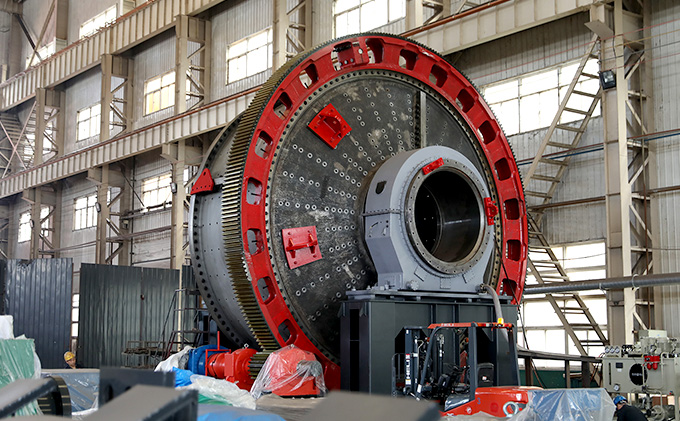


Autogenous mill: No grinding media required
Autogenous mill, also known as AG mill, is a mining grinding mill equipment integrating crushing and grinding, capable of simplifying the process configuration of the entire production line.
Compared with other mills, it mainly relies on the ore itself as grinding media, reducing impurities in subsequent mineral processing and improving product purity.
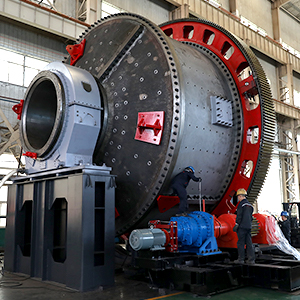
Capacity: 24–100 t/h
Feed particle size: ≤300 mm
Output size: 0.5–5 mm (5–50 mesh)
Application fields of autogenous mill
Autogenous grinding mills impose specific requirements on raw ore. They perform optimally with medium-hard ores with low clay content, or materials that can act as suitable grinding media, making them the top choice of grinding equipment for mineral processing.
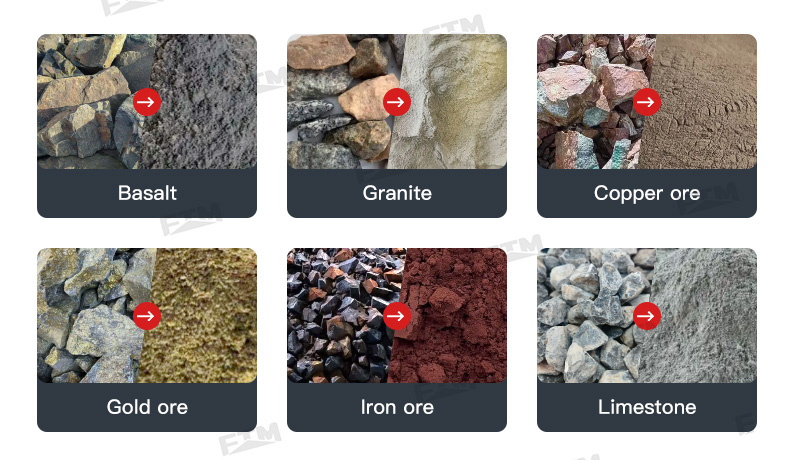
Commonly processed materials include:
- Medium-hard ores with low clay content: basalt, granite, copper ore, gold ore, lead-zinc ore, magnesite, etc.
- Materials that naturally work as grinding media: iron ore, limestone, diabase, bauxite, etc.
If you are unsure whether your raw ore suits an autogenous mill, please share basic parameters including ore type. We will assess material suitability and provide selection suggestions. Contact our engineers
Working principle and structure of the autogenous mills
What is the working principle of an autogenous mill?
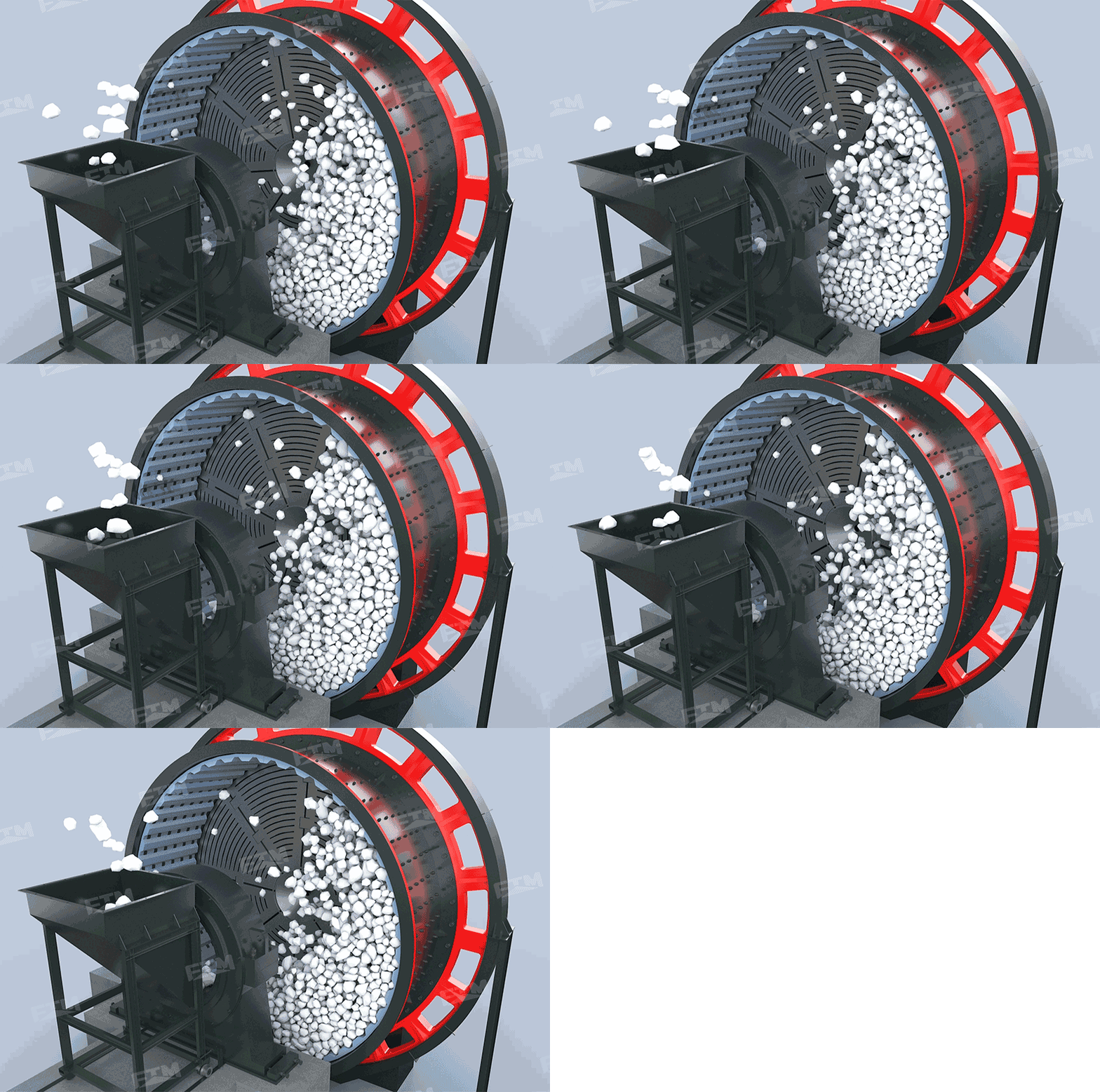
An autogenous mill requires no steel balls and uses ore as the grinding medium.
As the mill shell rotates, ore is lifted and dropped under centrifugal force. Crushing is achieved through impact and attrition between ore lumps. Fine material is discharged once it meets the size requirement, while coarse particles remain for further grinding.
Main structure of the autogenous mill
The primary visual difference between an AG mill and a ball mill is that the AG mill's diameter exceeds its shell length. This configuration ensures sufficient space for the ore to fall, thereby generating the necessary impact and grinding action.
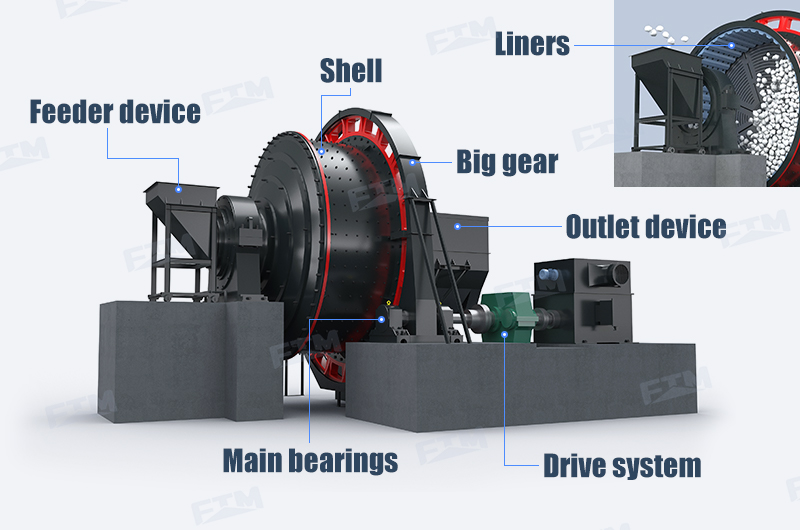
The AG mill includes these key components: the shell, feed port, output port, main bearings, drive system, liners, and lubrication system.
1. Shell
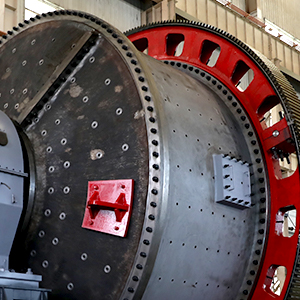
The shell is fabricated from thick welded steel plates, with a diameter greater than its length. The grinding process occurs inside the shell, with no external grinding media required.
2. Liners
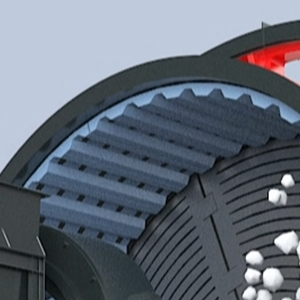
Liners are installed on the inner wall of the shell to protect the steel plating from direct impact and abrasion caused by the ore. Additionally, the special surface profile of the liners helps lift and rotate the ore. They are typically made by high-chromium iron or alloy steel.
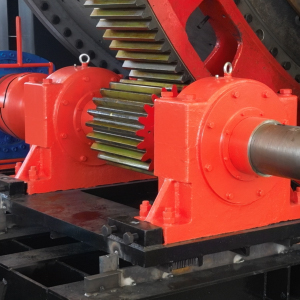
3. Drive system
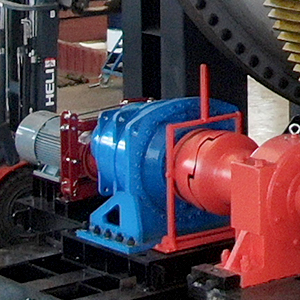
A gearless drive option is available for AG mill. The ring motor mounts directly onto the mill shell, eliminating the need for intermediate gearboxes. This design delivers a more compact layout, reduces transmission loss, and cuts maintenance requirements.
4. Main bearings
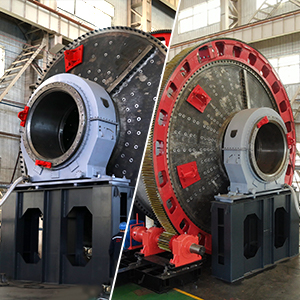
The main bearings are located at both ends of the shell base, supporting the full weight of the shell and ore for smooth rotation. Bearing bushings are made of Babbitt metal, and housings are cast steel or cast iron.
5. Feed & output ports
The feed port has a large-bore hollow shaft for direct feeding of big ore lumps. Wear liners and guides prevent impact damage and blockages.
The output port comes with grate plates, drum screen and return spiral for auto classification. Qualified fines exit, coarse material regrinds. Sealing stops slurry leakage and clogging.
Why choose FTM Machinery AG mill?
Our autogenous mill machine offers the following advantages:
1. Reduced consumption & fewer impurities
- No grinding media: AG mills require no steel balls, cutting wear cost by 30–50% compared with ball mills.
- Low maintenance cost: Fewer moving parts reduce steel wear. Lower maintenance frequency cuts maintenance expenses.
- High product purity: Only ground ore powder without iron contamination, ensuring stable concentrate quality.
2. High capacity & efficiency
- Simplified grinding circuit: Integrated crushing & grinding allows large ore blocks to feed directly, improving overall crushing efficiency.
- Stable operation: Heavy-load main bearings support long continuous operation and reduce downtime.
3. Intelligent & eco-friendly
- PLC control system: Intelligent management enables real-time monitoring and remote operation of grinding conditions to track operating parameters.
- Green performance: Closed structure minimizes dust leakage. Continuous stable production reduces fugitive emissions and mitigates environmental impact.
Autogenous mills for sale
As an autogenous mill manufacturer with over 40 years of experience, we produce AG mills in a wide range of specifications and models to suit projects with different capacities and ore conditions. Our products are exported worldwide and help customers achieve better project benefits.
Hot-selling AG mill models from FTM Machinery: Get a factory quotation
| Model | Shell diameter (mm) | Shell length (mm) | Effective volume (m³) | Rotational speed (r/min) | Main motor (kW) |
| MZ-2410 | 2,400 | 1,000 | 4.5 | 22 | 55 |
| MZ-3212 | 3,200 | 1,200 | 9.2 | 18.2 | 160 |
| MZ-4014 | 4,000 | 1,400 | 16.6 | 17.6 | 245 |
| MZ-5518 | 5,500 | 1,800 | 34.6 | 15 | 800 |
| MZ-6433 | 6,400 | 3,300 | 107 | 12.8 | 2,000 |
| MZ-6724 | 6,700 | 2,400 | 80.5 | 12.5 | 2,000 |
| MZ-7525 | 7,500 | 2,500 | 107 | 11.4 | 2,500 |
AG mills vs. ball mills vs. rod mills
Autogenous mills, ball mills, and rod mills are key types of grinding mill from FTM Machinery. These best-selling grinding mills serve as core grinding equipment for mineral processing projects. A quick comparison will help you choose the best mill.
| Features | AG mill | Ball mill | Rod mill |
| Grinding media | Ore itself | Steel balls/ceramic balls | Steel rods |
| Max. feed size | 300 mm | 25 mm | 50 mm |
| Output size |
0.5–5 mm (5–50 mesh) |
0.074–0.89 mm (20–200 mesh) |
0.147–0.833 mm (20–100 mesh) |
| Capacity | 24–100 t/h | 1.1–615 t/h | 0.4–180 t/h |
| Energy consumption | Low | Moderate | Moderate |
| Equipment cost | Moderate to high | Low | Moderate |
| Maintenance complexity | Moderate | Low | Moderate |
| Application areas | Medium-hardness ore | Cement, pulverized coal, ceramics | Low-hardness rock, minerals |
Copper ore beneficiation project with AG mill in Australia
An Australian customer requires a grinding mill to process copper ore. The mill should produce low-impurity output and meet Australia's local environmental standards.
We recommended the MZ-4014 AG mill (Φ4,000 mm × 1,400 mm), and provided a complete copper ore processing solution along with installation guidance.
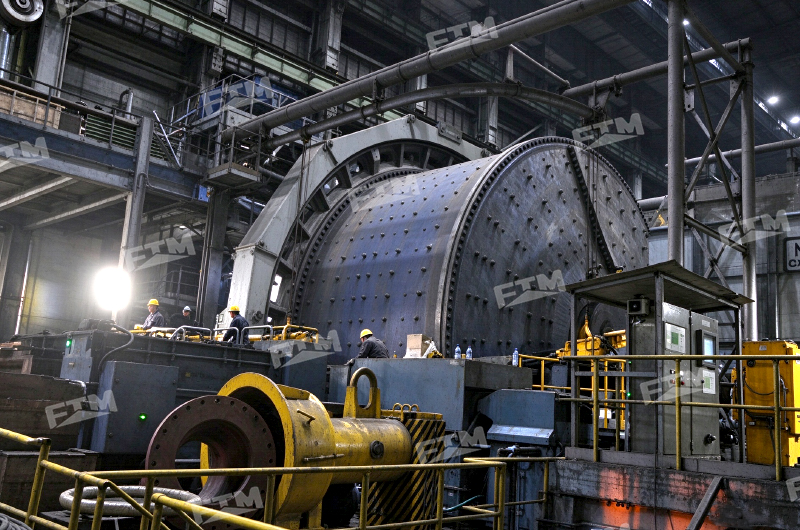
Project results:
- Copper ore grinding capacity reaches 35 t/h.
- Copper concentrate grade increased by 1.5 %.
- Energy consumption of the grinding section was reduced by approximately 18%.
- It consistently supplied material meeting the target particle size for the downstream flotation separation process.


