
Poland 10 TPH Coal Powder Drying Plant
MORE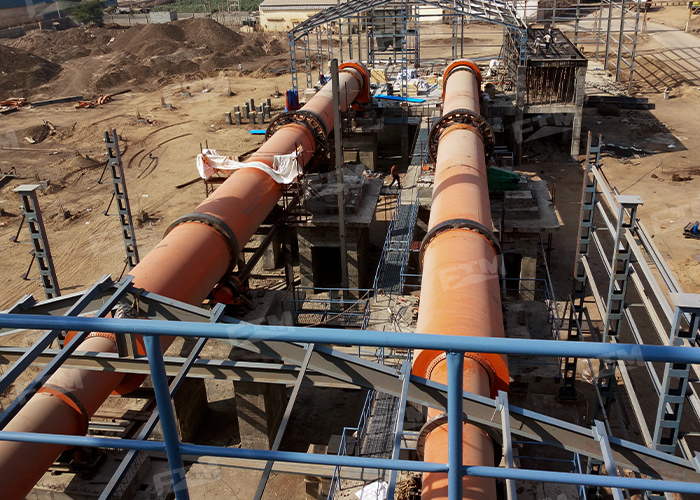
Project Overview
Main Equipment:

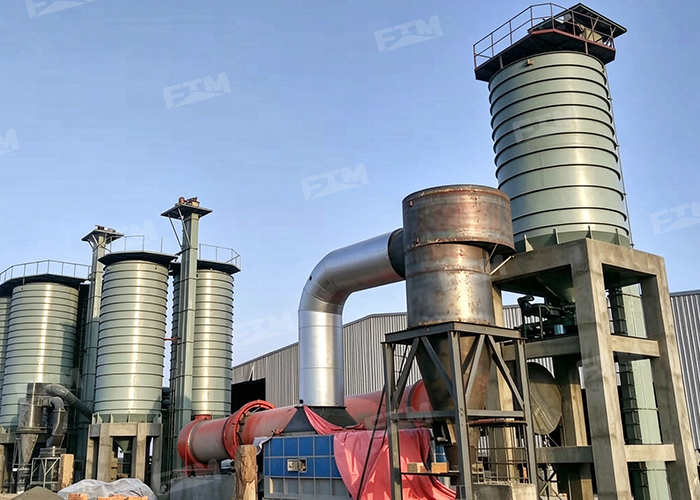
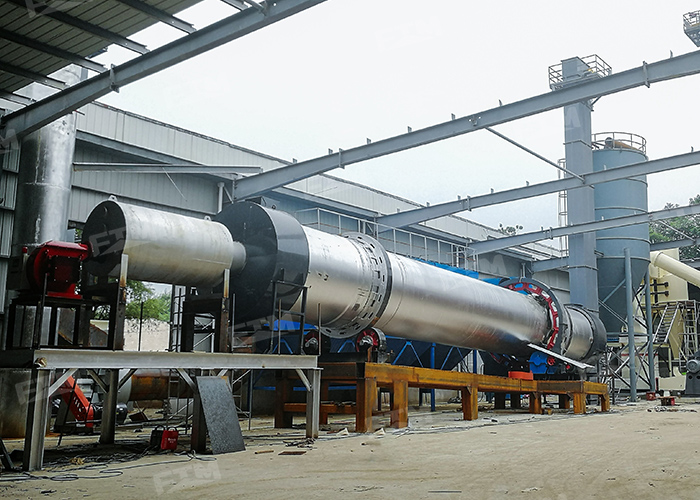
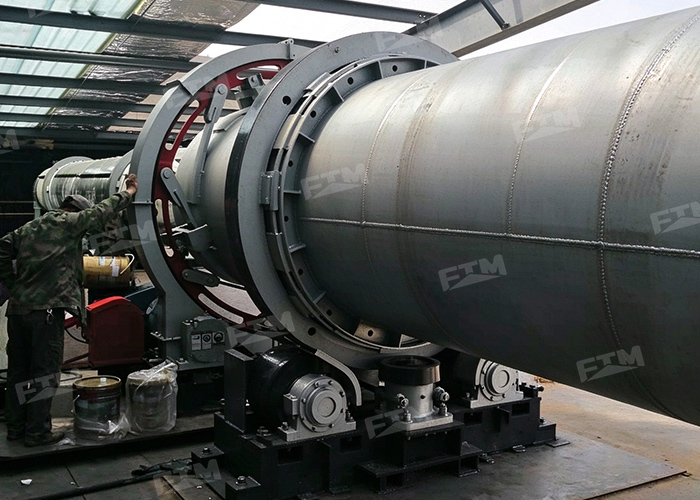
Laterite nickel ore enters the rotary dryer via feeder. The drum adopts a dedicated anti-sticking structure to avoid wall adhesion and blockages from sticky wet ore. A natural gas hot air furnace supplies hot gas, removing initial moisture from 28% (up to 32% in rainy season) to ≤15% and preparing feed for the downstream rotary kiln.

Dried ore (≤15% moisture) is blended with coal as reductant and fed into the rotary kiln. At 700–950°C, residual free and bound water are removed, then nickel oxides and part of iron oxides are selectively reduced.

High-alloy wear liners are fitted at the dryer feed end and lifting flights, delivering over twice the service life of ordinary carbon steel. Stable dryer discharge moisture keeps kiln temperature consistent and cuts downtime in this tropical mine site.
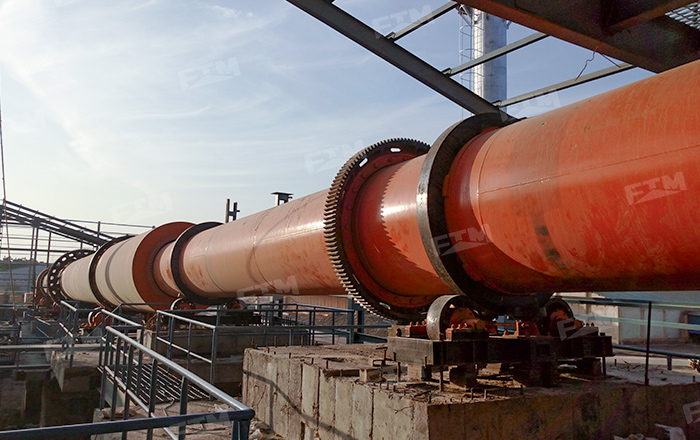
This client is a nickel mining firm in northern Colombia, supplying lateritic nickel ore to an RKEF (Rotary Kiln-Electric Furnace) ferronickel drying plant. The tropical mine has long heavy rainy seasons. The ore's natural moisture is 28%, climbing to 32% in the rainy season. Direct feeding of wet ore into the rotary kiln causes high energy consumption and kiln temperature fluctuations. The client needed a rotary dryer to reduce ore moisture to 15% or less. Dried ore is blended with coal and sent to the rotary kiln for pre-reduction, using local piped natural gas as the heat source. After assessing twenty lateritic nickel ore drying equipment manufacturers, the client finally chose FTM Machinery.
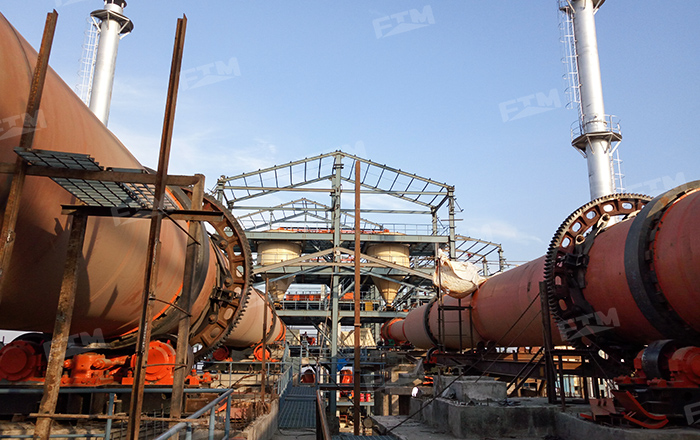
After commissioning, the dryer delivers stable discharge moisture at 14–15%. It maintains 100 TPH continuous capacity and meets targets even with 32% wet feed in rainy seasons. Consistent pre-reduction is achieved in the rotary kiln. Uniform hot calcine feeds the electric furnace, lowering power consumption per tonne of ferronickel. Dust emissions comply with local environmental standards for northern Colombia.

FTM Machinery
Phone No./WhatsApp: +8619949199290
No.168, Wutong Street, High-tech Industrial Development Zone, Zhengzhou City, Henan Province, China