
Egypt 50 TPH Phosphate Drying Plant
MORE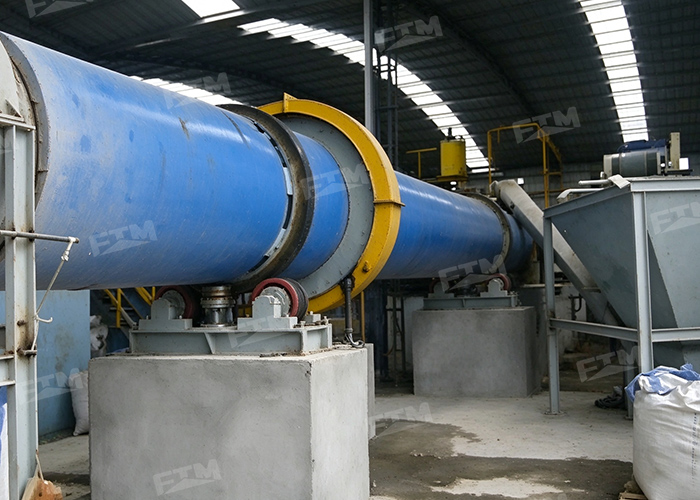
Project Overview
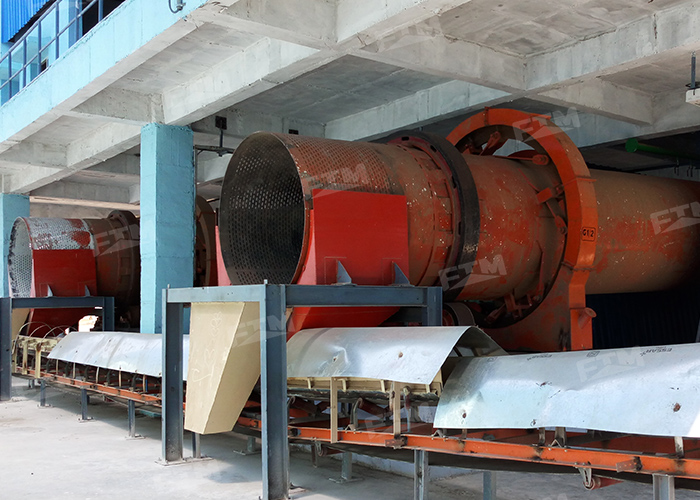
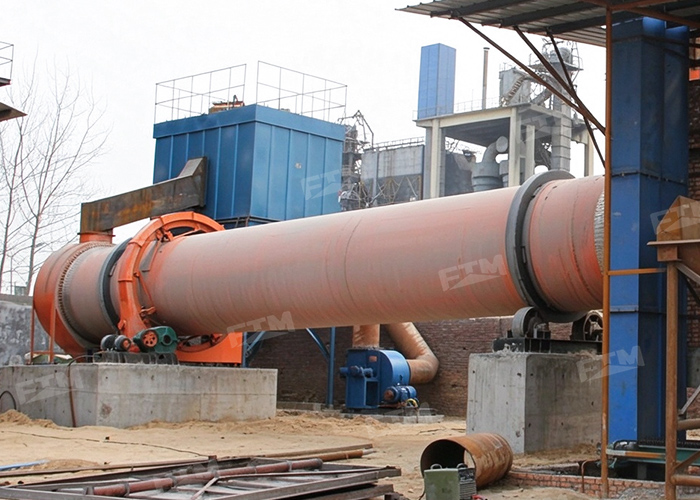
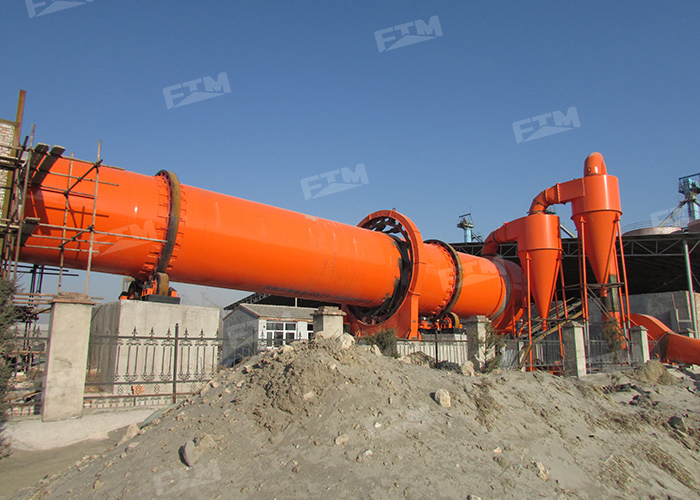
Main Equipment:

Our bentonite drying plant features a zoned temperature control design, incorporating a high-temperature dehydration zone and a low-temperature protection zone. This prevents high temperatures from damaging the montmorillonite crystal lattice structure—ensuring that its binding and swelling properties remain intact—while also accommodating moisture fluctuations during the rainy season.

Every batch of the final product undergoes testing for methylene blue adsorption and swelling volume, confirming that the activity of the dried material remains consistent with that of the raw ore.

The inner wall of the drum features a special anti-adhesion design, which effectively prevents high-moisture bentonite from sticking to the drum surface. Client Background.
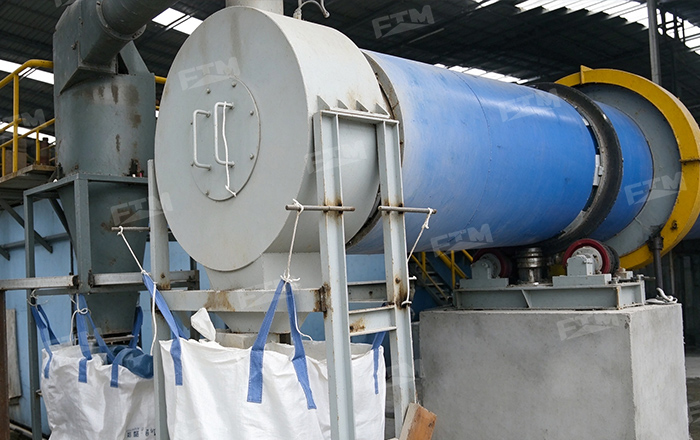
The client, based in Georgia, is engaged in the processing of bentonite. The raw bentonite typically has a moisture content of approximately 22%. The client's primary concern was that high-temperature drying might compromise the activity of the montmorillonite, thereby reducing its binding strength when used as a foundry binder. Consequently, the client procured our bentonite dryer, specifically requiring zoned temperature control capabilities and guaranteed compliance with methylene blue adsorption standards.
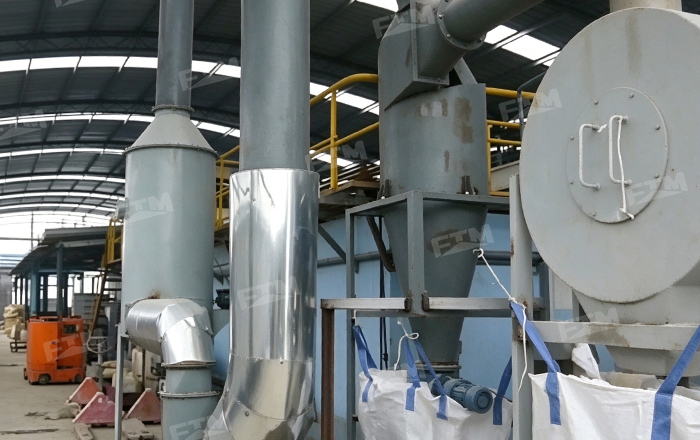
This bentonite drying production line maintains the moisture content of the finished product at ≤8%, balancing moisture stability with cost-effective drying. When used in foundry sand, the bentonite produced fully complies with technical specifications. The production line is currently operating stably with a capacity of 25 tons per hour, supplying product to various foundries across Europe.

FTM Machinery
Phone No./WhatsApp: +8619949199290
No.168, Wutong Street, High-tech Industrial Development Zone, Zhengzhou City, Henan Province, China