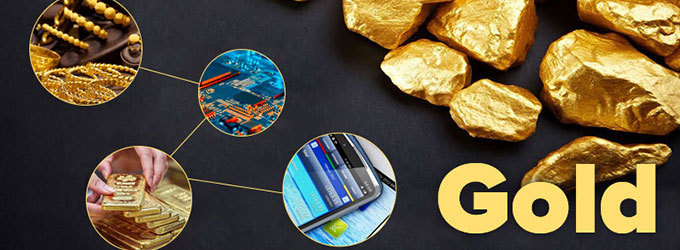
Mineral beneficiation is typically achieved through physical, chemical, or physicochemical methods, including flotation, magnetic separation, and gravity separation.
Mineral beneficiation is a crucial step between ore extraction and metal refining. The goal is to remove harmful impurities from naturally occurring raw ores and produce high-quality concentrates.
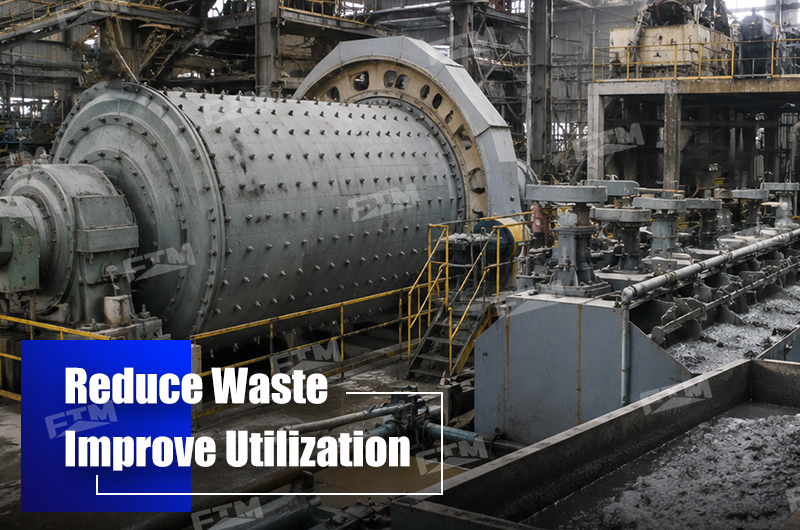
Compared with direct smelting, mineral processing consumes less energy, reduces resource loss, and improves the utilization rate of mineral resources.
Which minerals require beneficiation?
Mineral beneficiation applies to both metallic and non-metallic minerals, as well as certain rare and rare-earth minerals.
Common minerals include:
- Metallic minerals: gold ore, silver ore, iron ore, etc.
- Non-metallic minerals: kaolin, limestone, feldspar, etc.
- Rare earth minerals: rare earth ores, lithium ores, etc.
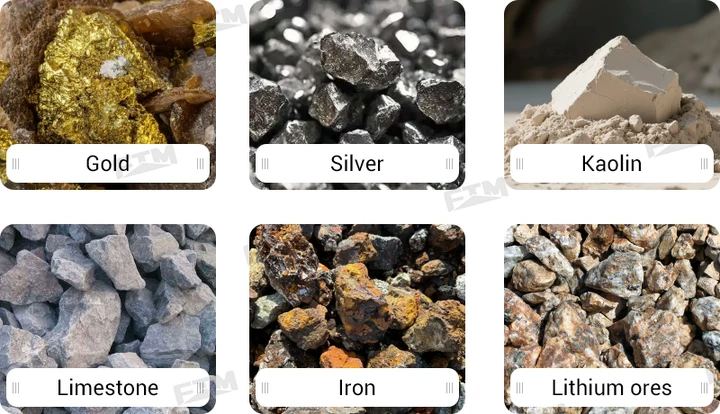
Since minerals vary in density, magnetism and surface chemical properties, corresponding beneficiation methods and equipment are adopted accordingly.
| Mineral beneficiation methods | Beneficiation basis |
| Flotation | Surface chemical properties of minerals |
| Magnetic separation | Differences in the magnetic properties of minerals |
| Gravity separation | Differences in the density of minerals |
Flotation
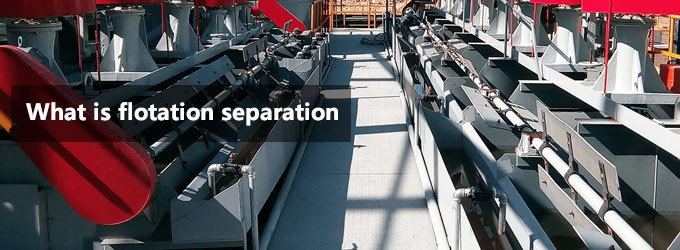
Flotation uses chemicals to make bubbles. It depends on the surface wetting property of minerals. Water-repellent minerals stick to bubbles and float up, while water-loving minerals sink in the slurry, achieving mineral separation.
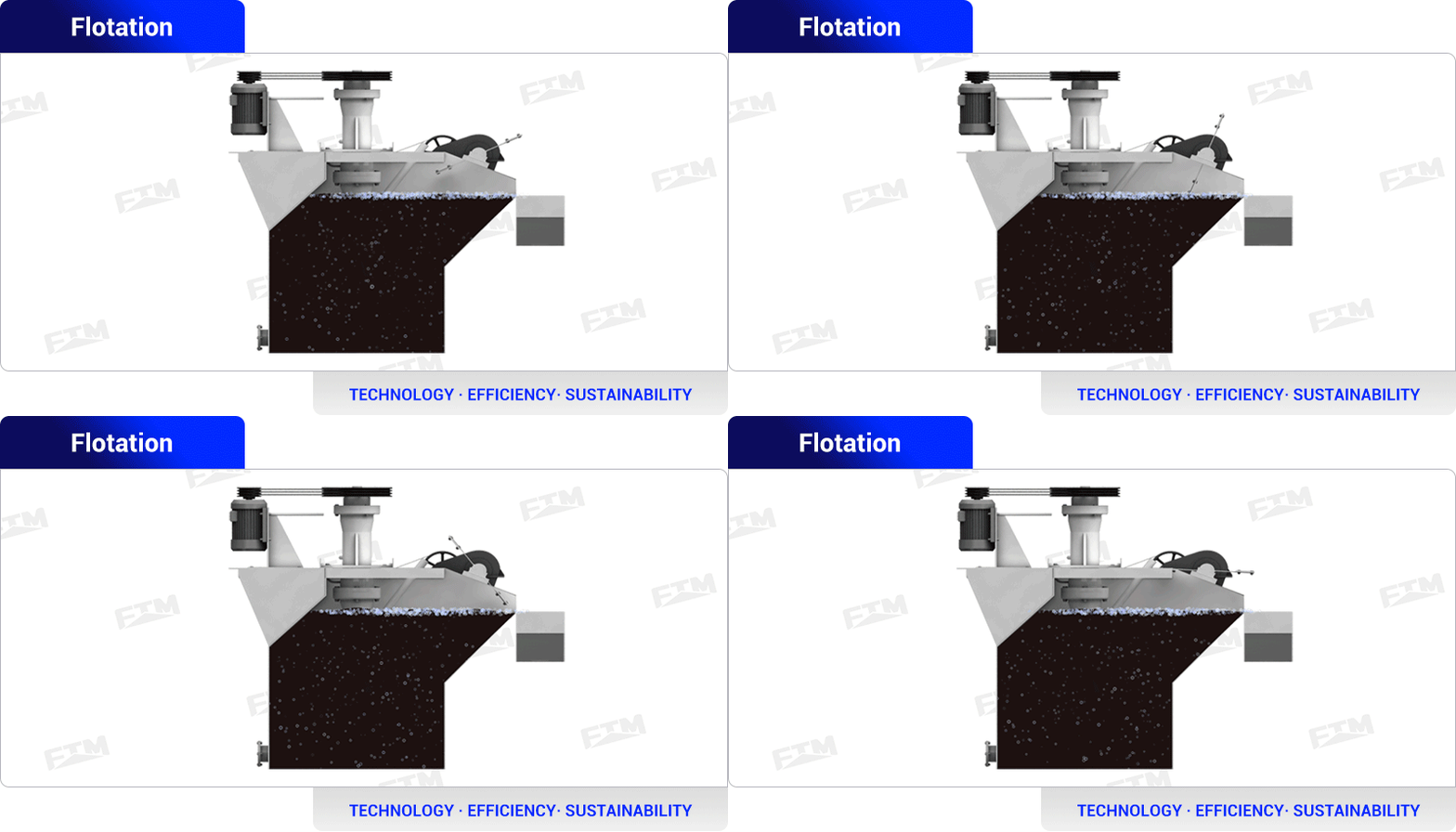
Flotation is the most widely applicable method. By using reagents, selectivity and recovery can be precisely controlled, making it suitable for the beneficiation of the vast majority of ores, including:
- Metallic minerals: copper, lead, zinc, molybdenum, gold, silver, etc.
- Non-metallic minerals: fluorite, kaolin, graphite, coal, etc.
- Oxidized ores: oxidized copper ore, oxidized lead-zinc ore, etc.
Flotation machineGet a quote
The flotation machine is the core equipment in the flotation beneficiation process.
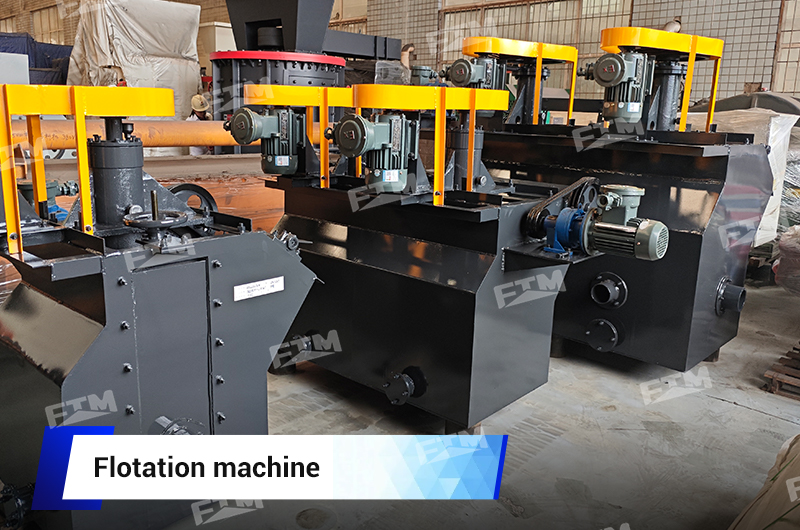
Key advantages of our flotation machines:
- High separation efficiency: The recovery rate for fine and ultra-fine valuable minerals (such as copper, gold, molybdenum, and lithium) typically reaches 85%–95%.
- Low energy consumption: Operating costs are 20–30% lower than other flotation machines.
- Wide range of applications: It covers non-ferrous metals (copper, lead, zinc), precious metals (gold, silver), and ferrous metals (iron, manganese).
Magnetic separation
Magnetic separation uses the differences in the magnetic properties of minerals to separate magnetic, non-magnetic, and weakly magnetic minerals under the influence of a magnetic field.
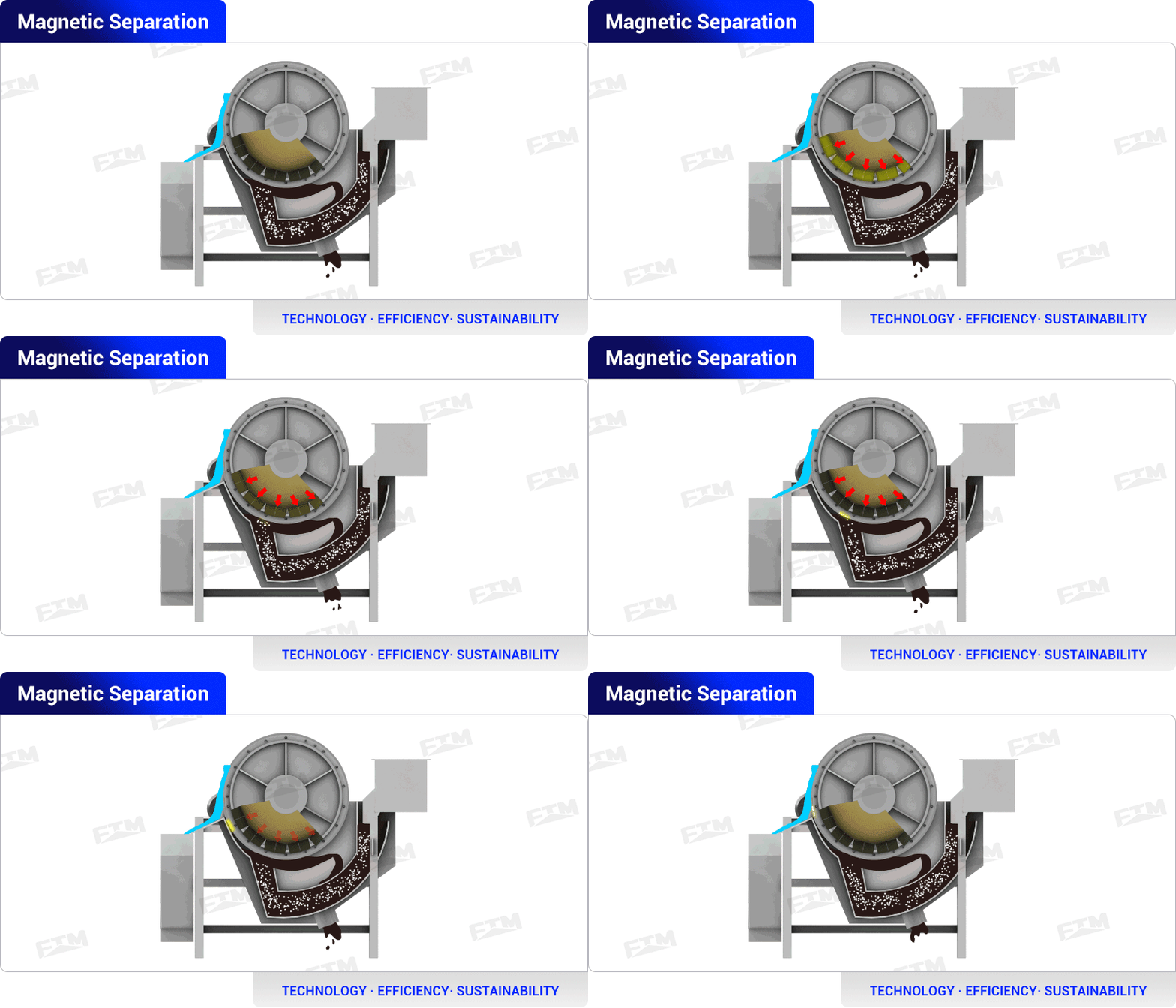
In mineral separation, magnetic separation is mainly applied to magnetic minerals, including:
- Strongly magnetic minerals: magnetite, pyrrhotite, titanomagnetite, etc.
- Weakly magnetic minerals: limonite, manganese ores, hematite, garnet, etc.
- Non-metallic impurity removal: quartz, kaolin, etc. It can be used for magnetic separation to remove ferromagnetic impurities.
FTM Machinery provides high-performance magnetic separators for efficient mineral separation.
Magnetic drum separatorGet a quote
In dry environments, a dry magnetic drum separator delivers highly efficient ore beneficiation. For wet ore materials, a wet magnetic drum separator is used for effective mineral separation.
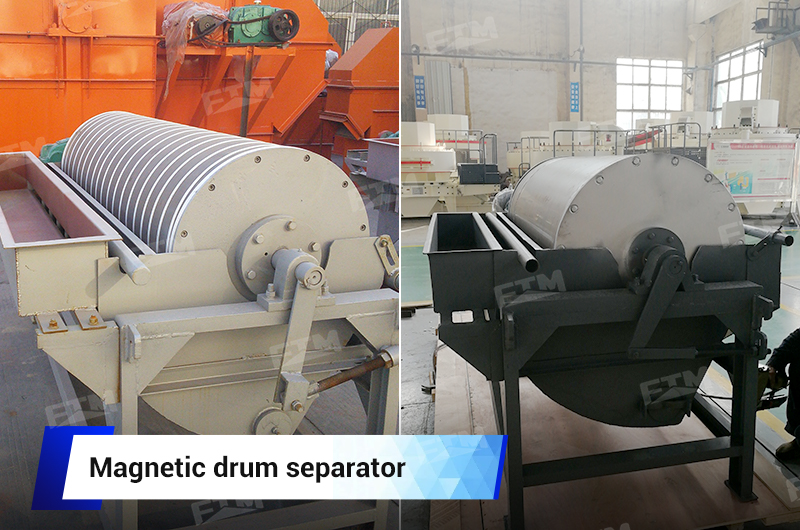
Their advantages include:
- Suitable for wet and dry use: Dry magnetic separators are water-saving and environmentally friendly, while wet magnetic separators are highly efficient at separating minerals with high water content or high mud content (copper oxide, limonite, high mud manganese oxide ore,etc).
- High processing capacity: A single unit boasts a processing throughput ranging from 10 to 280 t/h.
- Strong adaptability to particle size: The feed particle size range is 0-3 mm, effectively covering the separation of both fine- and medium-grained minerals.
Gravity separation
Gravity separation uses the differences in mineral density (specific gravity) to separate heavy minerals from light minerals under the influence of water flow, gravity, and centrifugal force.
Commonly processed minerals include:
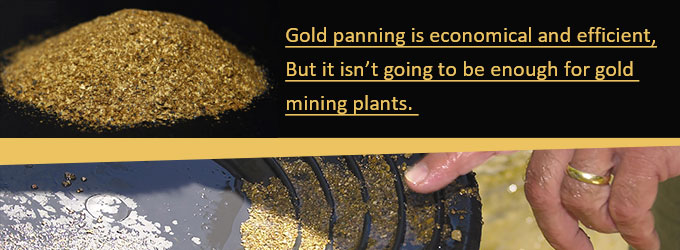
- Precious metals: native gold, placer gold, silver, etc.
- Non-ferrous metals: cassiterite, wolframite, scheelite, ilmenite, zircon, etc.
- Ferrous metals: hematite, limonite, manganese ores, etc.
Gravity separation equipment such as shaking tables or spiral chutes works well for beneficiation of minerals.
1. Shaking tableGet a quote
The shaking table relies primarily on mechanical vibration and water flow to achieve the fine separation of minerals with differing densities.
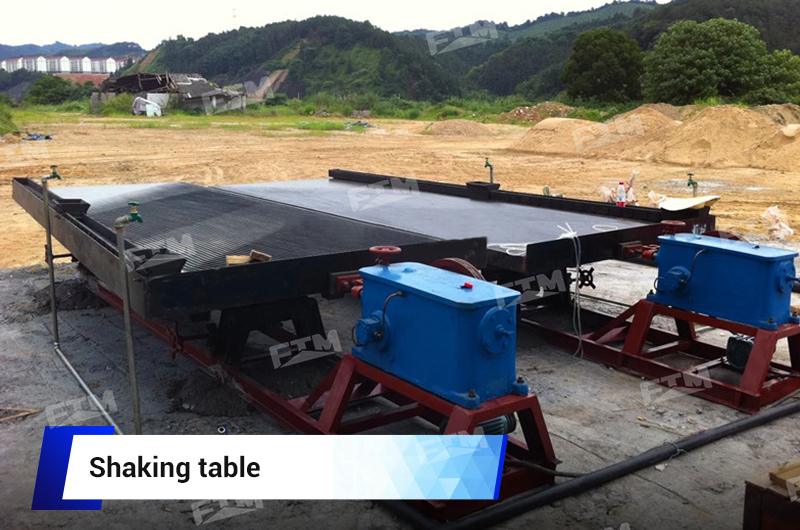
Its key advantages include:
- High enrichment ratio: Compared to other mineral processing methods, the enrichment rate can be more than 100 times.
- Durable construction: It is made of fiberglass or wear-resistant rubber and features corrosion resistance, wear resistance, and long service life.
- Low energy consumption: The motor power consumption is 1.1 kW.
2. Spiral chuteGet a quote
The spiral chute uses the inertial centrifugal force generated by the spiral rotational motion of the mineral slurry to separate light minerals from heavy minerals.
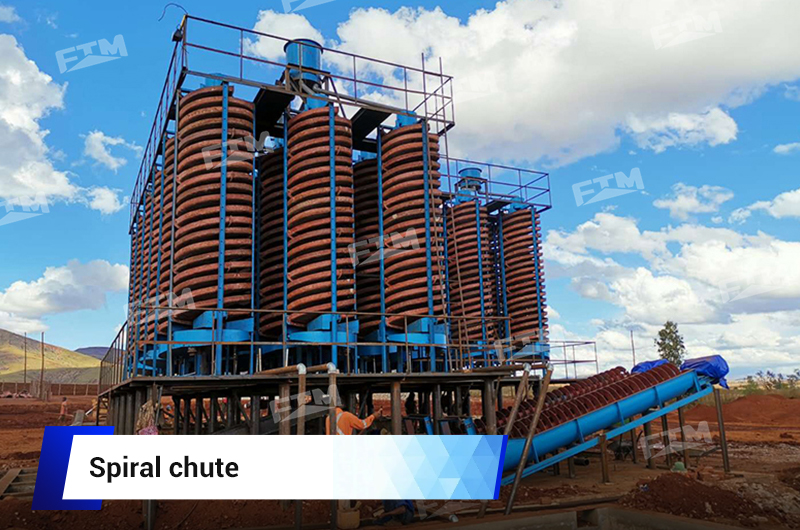
The advantages of spiral chute possesses :
- Low power consumption: The spiral chute operates mainly through gravity flow and centrifugal force, reducing the need for additional power input and helping lower overall energy consumption.
- High throughput: The single machine has high capacity, with each machine processing up to 2–40 t/h.
- Environmentally friendly and low consumption:It produces virtually no dust, generates little noise, and consumes little water.
Conclusion
Choosing the right beneficiation equipment based on the properties of mineral can achieve high-quality beneficiation, reduce resource waste, and maximize profits for your project.
If you would like to learn more or customize a mineral processing solution for your project, please Contact us. Our professional team is ready to help.