In gold mining, crushing decisions made in the first stage can determine the final gold recovery rate.
Efficient crushing is not about crushing finer — it is about delivering the right particle size for downstream processing, whether flotation, gravity separation, or leaching.
Why one crusher cannot fit all gold ores
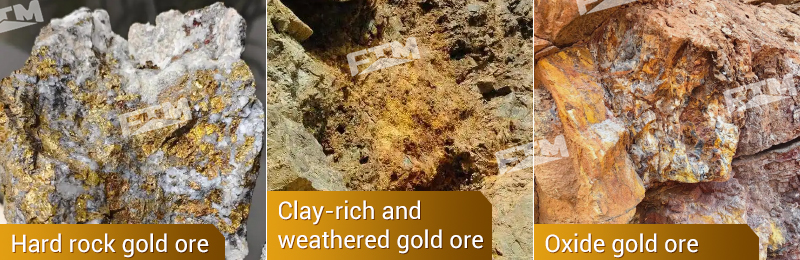
Gold ores vary significantly across regions and deposits:
- Hard rock gold ore (Africa – high quartz content)
- Clay-rich and weathered gold ore (South America)
- Oxide gold ore for CIL/CIP processing
A properly matched crushing solution, on the other hand, delivers higher recovery, lower cost per ton, and faster ROI.
Four essential rock crushers for gold mining
Gold ore crushers are widely used in:
- Hard rock gold mining (quartz vein gold, sulfide gold ores)
- Alluvial gold processing (including the crushing stage)
- Small to medium-sized gold processing plants
The difference between a 90% and 95% recovery rate often starts in the crushing circuit. If the ore is too coarse, the ball mill load doubles. If it is too fine, free gold is lost into slimes.
Below are the most commonly used heavy-duty crushers in modern gold processing plants.
1. Jaw Crusher
Almost every hard rock gold mine starts with a jaw crusher.
Whether in open-pit or underground mining, jaw crushers are the standard solution for primary crushing and are typically paired with cone crushers in two-stage or three-stage crushing circuits.
Our jaw crushers feature a deep V-shaped chamber for high reduction ratios and strong throughput, handling high-quartz gold ores with compressive strengths of 200–300 MPa.
To address the common issue of high-moisture, clay-rich gold ore causing blockages in many small gold mines, we have specially optimized:
- Wide feed openings
- Strengthened discharge areas
- Improved material flow design
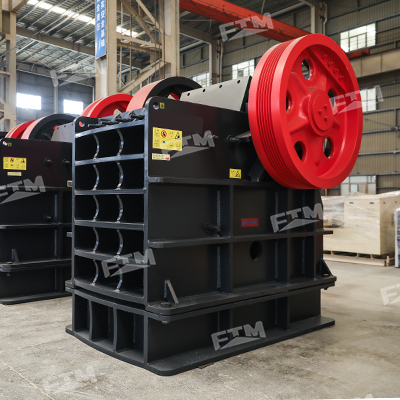
Capacity: 1–200 TPH (small models), 500–1,200 TPH (large models)
Gold ore feed size: ≤ 1200 mm
Gold ore discharge size: 10-350 mm
Request a Free Quote2. Cone Crusher
For medium to high-hardness gold ores, especially primary gold ore with high quartz content, cone crushers are indispensable for secondary and fine crushing.
Using a laminated crushing principle, cone crushers reduce flaky particles and over-crushing, producing a more uniform particle size distribution.
By delivering consistent feed size, cone crushers help reduce energy consumption and improve overall gold recovery.
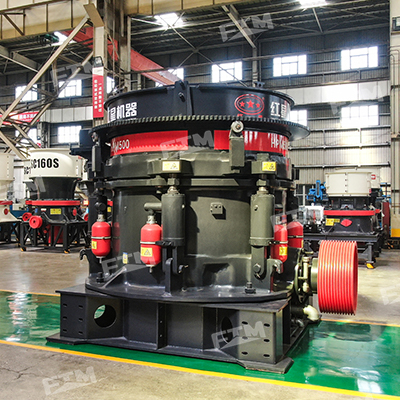
Capacity: 25–90 TPH (small models), 300+ TPH (large models)
Gold ore feed size: 1–480 mm
Gold ore discharge size: 5–40 mm
Request a Free Quote3. Hammer Crusher
Hammer crushers are not suitable for all gold ores, but they offer an excellent cost-performance solution under the right conditions.
They are particularly effective for:
- Oxidized gold ores and weathered gold deposits
- Clay-rich or soft gold-bearing materials
- Gold ores with compressive strength typically below 200 MPa
Hammer crushers feature a very high reduction ratio, simple structure and affordable price. In some small and medium-sized gold projects, a hammer crusher can achieve one-stage crushing, replacing the traditional jaw + cone crusher setup and significantly reducing costs.
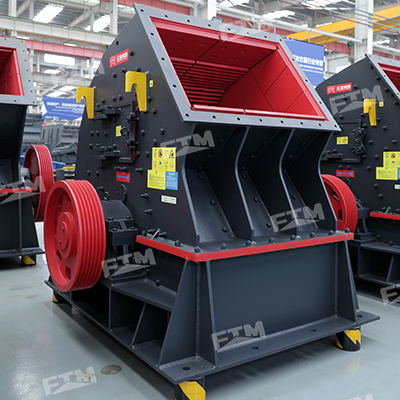
Capacity: 60–3000 TPH
Gold ore feed size: 1–1,000 mm
Gold ore discharge size: ≤50 mm
Request a Free Quote4. Mobile Crushing Plant
For gold mining projects with multiple pits or scattered ore bodies, fixed crushing plants often become a burden.
Our mobile gold crushing solutions allow crushers to be deployed directly near the ore body, significantly reducing haulage costs—often one of the largest expenses in mining.
Mobile crushers can be flexibly equipped with jaw crushers, cone crushers, or impact crushers, with power options customized to suit on-site conditions.
Learn more about our Mobile Gold Crushing Solutions.
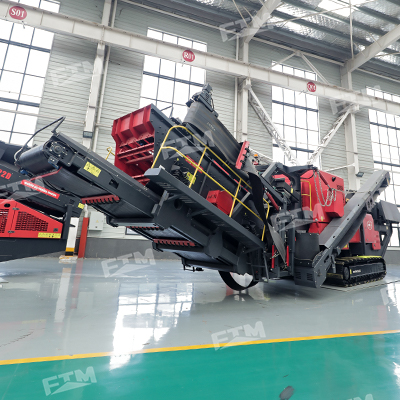
Capacity: 50–750 TPH
Gold ore feed size: 185–700 mm
Power options: Full hydraulic, diesel-electric hybrid, or external power supply
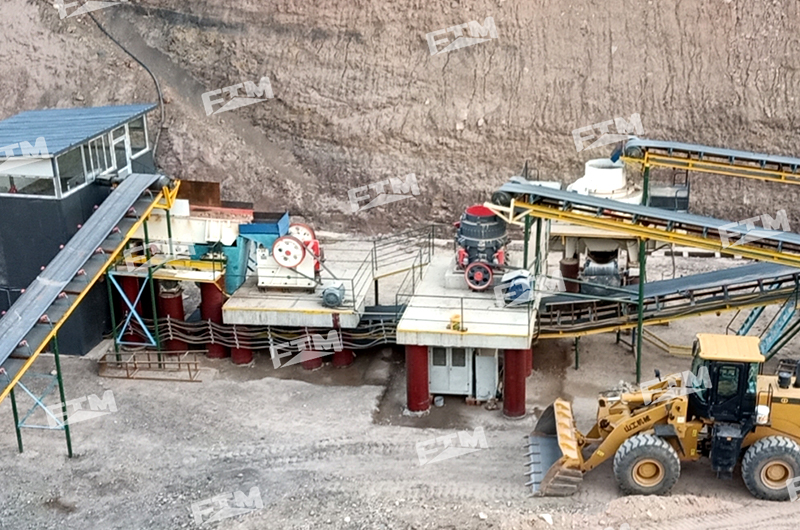
Request a Free QuoteTanzania 100 tons/hour hard rock gold mine
A gold mine in Tanzania faced high operational costs due to abrasive quartz ore destroying crusher liners every 2 weeks and causing excessive mill energy consumption.
We replaced their aging circuit with a high-performance system:
- Primary crushing: Deep-chamber Jaw Crusher for high-reduction ratios.
- Secondary/tertiary crushing: Multi-cylinder Hydraulic Cone Crushers for precise sizing.
The Results:
- +50% Liner Longevity: Effectively reducing annual maintenance downtime by more than 10 days.
- -18% Energy Costs: Finer mill feed (-15mm) optimized grinding efficiency.
- 99.5% Uptime: Automated systems eliminated manual clearing.
"The shift to this optimized circuit has significantly lowered our cost-per-ounce. It's the most stable the plant has ever run." — Operations Manager
Get a crushing solution matched to your gold ore
Take the next step with confidence:
Request a Quote: Get factory-direct pricing on individual units or full lines.
Consult an Expert: Send us your gold ore hardness and capacity requirements (TPH), and we will provide a 3D plant layout within 48 hours.