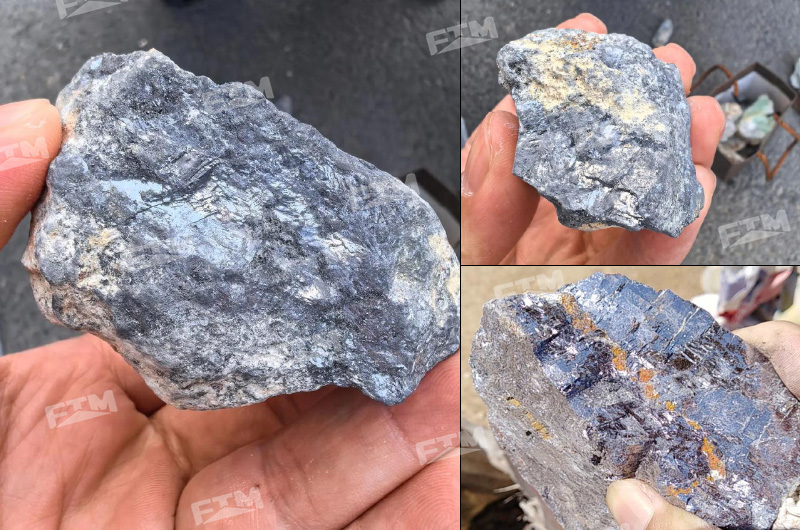
Lead-zinc-silver ore is an important polymetallic mineral resource containing valuable metals such as lead, silver, and zinc.
For separating lead, zinc, and silver minerals, lead-zinc-silver beneficiation plants are the best choice. Equipped with appropriate ore processing equipment, the beneficiation plant can achieve efficient separation of lead-silver and zinc resources.
Why choose a lead-zinc-silver beneficiation plant?
Lead-zinc-silver ore is a typical refractory polymetallic ore with small differences in floatability. Regular beneficiation processes result in low recovery rates of lead, zinc, and silver, leading to poor returns.
A lead-zinc-silver beneficiation plant can extract lead-silver and zinc concentrates from raw ore. For most lead-zinc-silver ores, beneficiation plants usually employ a process of first lead-silver flotation, followed by zinc flotation.
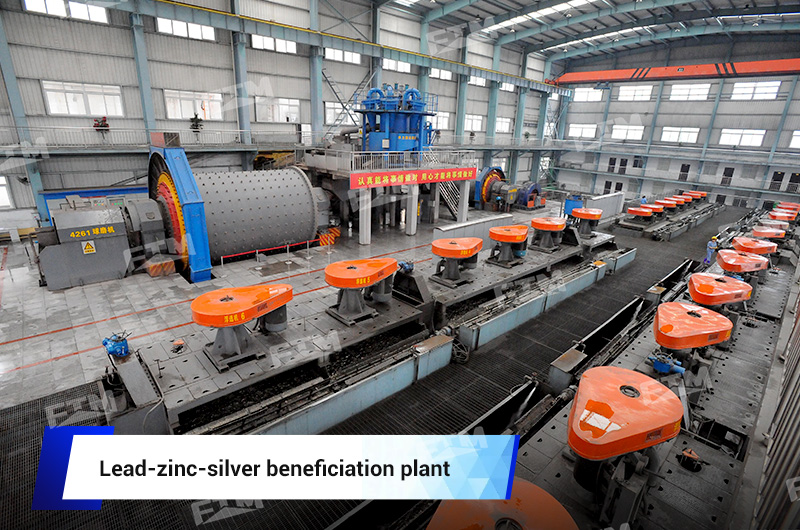
The advantages of lead-zinc-silver processing plant include:
- High resource recovery rate: It can effectively separate valuable metals such as lead-silver and zinc minerals and fully exploit symbiotic mineral resources.
- Good overall economic benefits: It increases silver concentrate revenue and enhance the overall return on investment for the mine.
- Strong production stability: The plant is equipped with complete production line equipment, ensuring long-term stable operation.
- Adaptability to various operating conditions: It can handle associated minerals with different properties, including high-mud, high-sulfur, and low grade ores.
Note: Before building a lead-zinc-silver processing plant, it is best to conduct ore beneficiation tests to determine the right processing flow and equipment. Contact us for free testing
Lead-zinc-silver beneficiation processes and related equipment
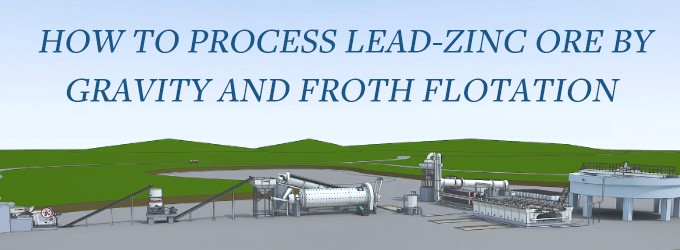
The beneficiation of lead-zinc-silver process is strict, with each step connected, and every stage affects the final recovery rate. The standard beneficiation operation steps include:
Crushing → Grinding and classification → Lead-silver differential flotation → Zinc mineral flotation → Concentrate dewatering
1. Lead-zinc-silver ore crushing
After lead-zinc-silver ore is mined, it undergoes crushing first. Through coarse and fine crushing, the raw lead-zinc-silver ore is broken down into smaller pieces, supporting next grinding.
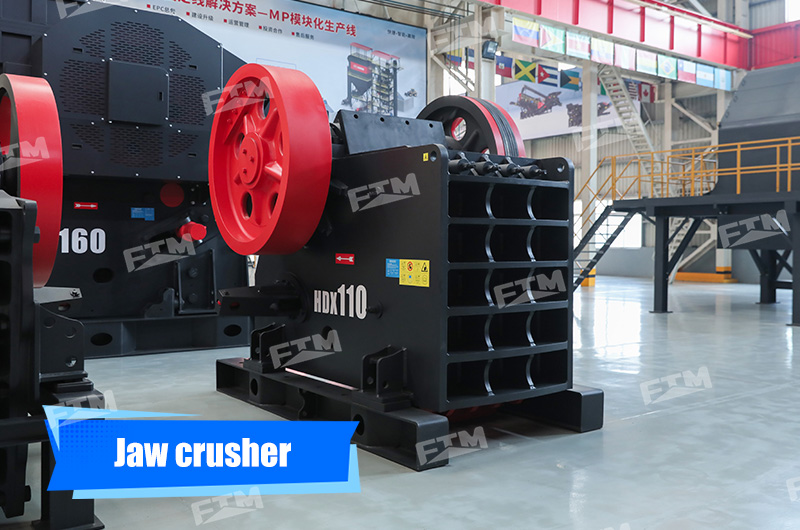
Coarse crushing: jaw crusher Get a quote
Jaw crushers are the best choice for coarse crushing in lead-zinc-silver beneficiation plants. The maximum feed size reaches 1,200 mm, with capacity ranging from 1–1,200 tons per hour.
- They deliver powerful primary crushing performance and can crush large raw ore into medium-sized particles in a single pass.
- The jaw plates are made of high-manganese wear-resistant material, resulting in a robust and durable structure that is resistant to wear and impact.
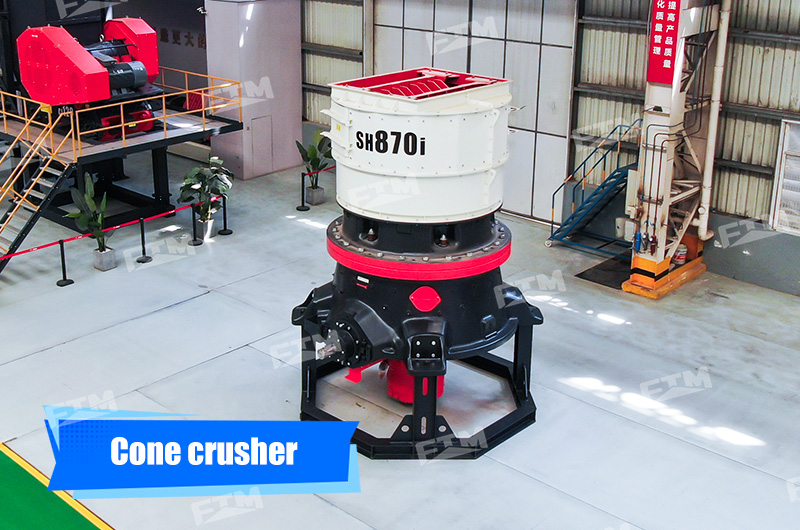
Fine crushing: cone crusherGet a quote
The cone crushers crush lead-zinc-silver ore into small particles sizes for subsequent grinding. The maximum feed size of this machine reaches up 480 mm and a capacity of up to 2,181 tons per hour.
- It delivers excellent fine crushing performance. The output ore has uniform grain size without oversized lumps, lowering the load on grinding mills.
- Its over-iron protection protects the equipment cavity and reduces maintenance downtime.
2. Grinding and classification of lead-zinc-silver
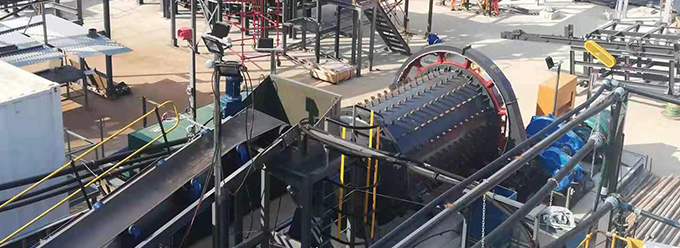
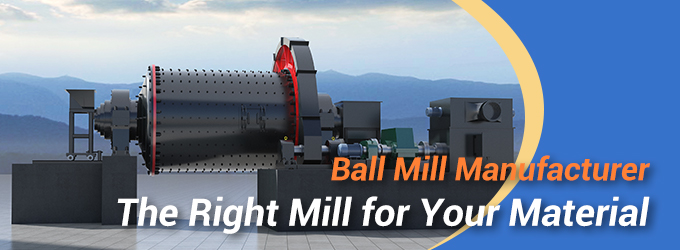
After crushing, lead-zinc-silver ores undergo grinding and classification via ball mills and spiral classifiers. This breaks down the intergrown mineral texture and allows flotation reagents to perform to their full potential in later stages.
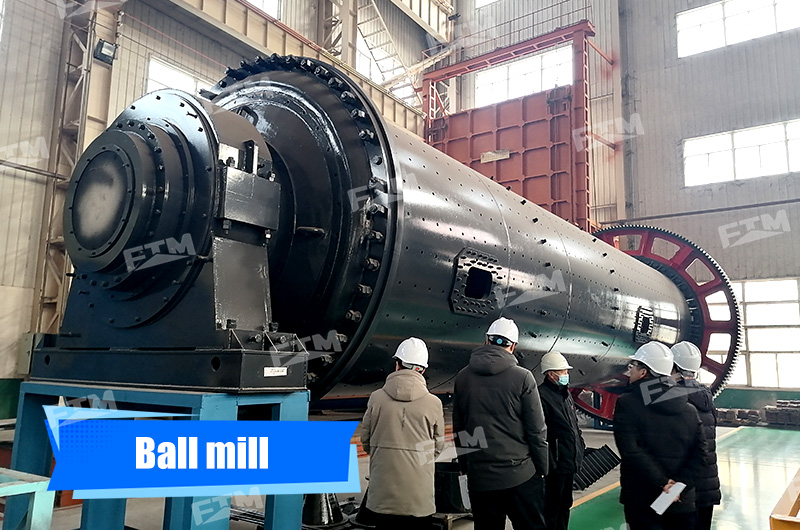
The selection of the grinding mill for lead-zinc-silver ores is crucial. As the nice grinding equipment in beneficiation circuits, wet ball mill fully meet the grinding requirements of lead-zinc-silver ores.
The ball mill has a feed size below 25 mm, an output size ranging from 0.074–0.89 mm (20–200 mesh), and a capacity of 1.1–208 tons per hour.
This ball mill offers the following benefits for grinding lead-zinc-silver ores:
- Excellent liberation effect: Impact and grinding by steel balls fully dissociate intergrown lead-zinc-silver minerals and cut metal losses of locked valuable minerals.
- Adjustable grinding intensity: Operators can flexibly control product fineness to match particle size demands for lead-zinc-silver flotation.
- Easy operation and maintenance: Components are flexible, with steel balls and liners are easy to replace. It fits lead-zinc-silver plants of all scales.
The ground lead-zinc-silver ore slurry is classified via the spiral classifier. Qualified slurry proceeds to the next flotation stage, while oversize lead-zinc-silver materials are returned to the ball mill for regrinding.
3. Lead-silver differential flotation
Associated silver minerals are fully embedded in the lead ore, and its floatability is highly similar to lead, making separation difficult. Therefore, lead-silver differential flotation is used.
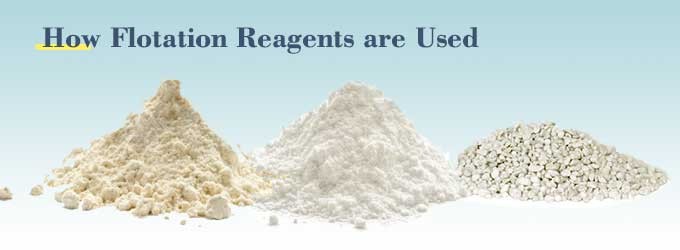
The ground lead-zinc-silver ore slurry is sent into mixer for conditioning. Through zinc suppression and the use of lead-silver-specific flotation reagents, flotation machines are used for the flotation process.
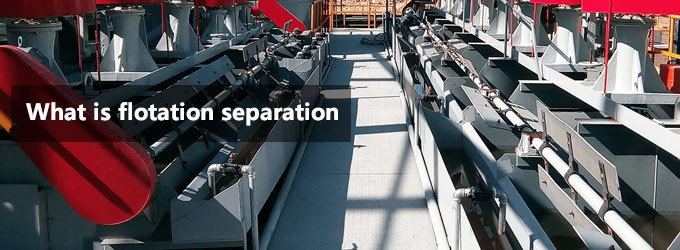
The core component of lead-zinc-silver beneficiation equipment is the flotation machine, which is firstly used to collect lead-silver concentrates.
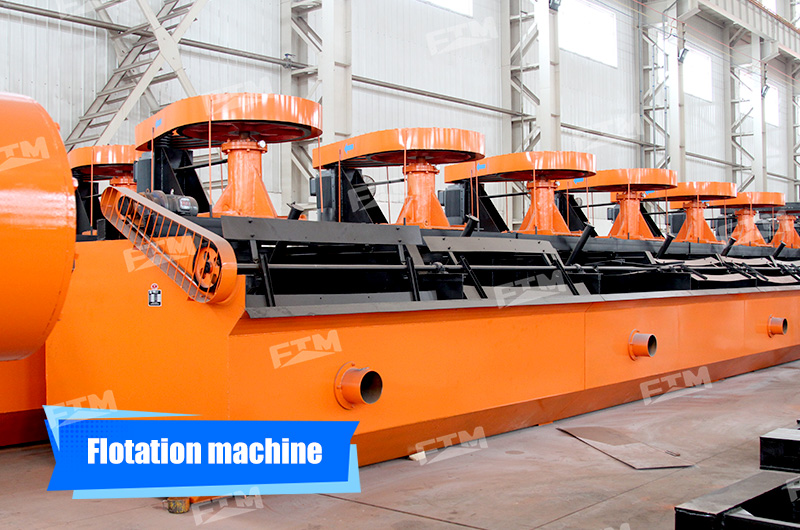
The flotation machine has a tank volume of 0.35–38 m³ and capacity of 0.18–38 m³/min.
The advantages of FTM Machinery's flotation machines include:
- High flotation efficiency: The equipment adopts a built-in forced aeration and stirring structure, which stably supports particle flotation and reduces the metals losses.
- Controllable stirring intensity: The impeller provides low-speed and uniform stirring, ensuring sufficient reaction between particles and reagents for precise separation.
- Large slurry throughput: It fits continuous production of high-concentration and high-throughput slurry to keep the processing line running steadily.
- Long service life: The equipment is constructed with wear-resistant and corrosion-resistant materials, reducing wear and tear and consequently lowering maintenance costs.
4. Zinc mineral flotation
After lead-silver flotation, the remaining zinc minerals in the tailings need to be activated and separated in the zinc froth flotation system.
First, the zinc-bearing slurry is sent into mixer where activators are added to activate the zinc floatability. It is then fed into the flotation machine with zinc-selective reagents for zinc processing. The flotation machine skims floating zinc minerals to collect zinc concentrate.
5. Concentrate dewatering
The high-water-content lead-silver and zinc concentrates produced by flotation are subjected to sedimentation treatment in concentrators and undergo deep dewatering, which effectively raises the density and dryness of final concentrates.
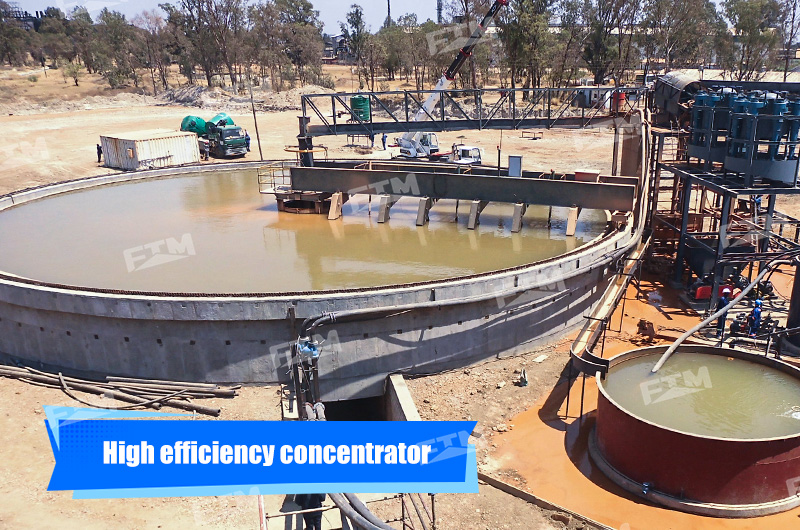
Finally, carrying out environmentally friendly treatment on tailings completes all steps of lead-zinc-silver beneficiation.
In addition, lead-silver concentrate can be separated into lead and silver concentrates after smelting and electrolytic refining in smelters.
Custom case: 120 t/d lead-zinc-silver processing plant in Vietnam
A small-scale lead-zinc-silver mine located near the Vietnam border features run-of-mine ore with a 12% clay content, limited capital, and a restricted site area. The project requires the construction of a small lead-zinc-silver processing plant with a daily capacity of 120 tons.
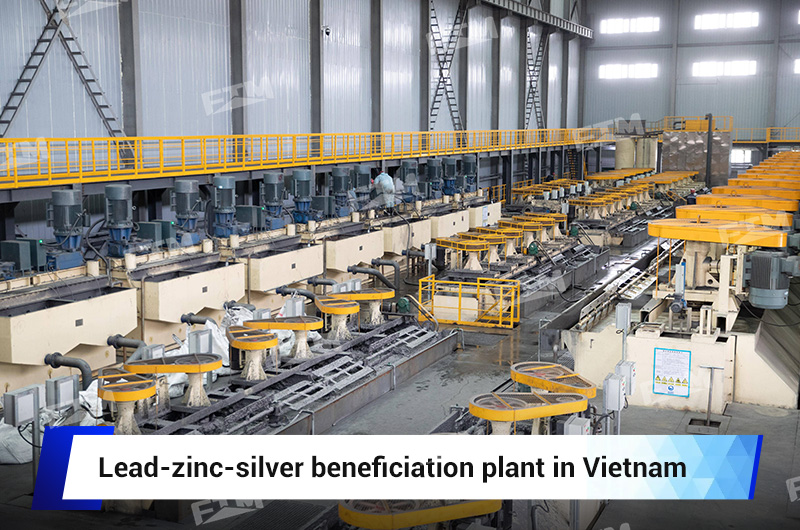
Main equipment configurations:
- Crushing: PE250×400 jaw crusher + SC100 cone crusher
- Grinding: small-scale ball mill + spiral classifier
- Flotation: 6 combined flotation machines
- Dewatering: small-scale high efficiency concentrator
Results: The final plant occupies an area of 800 m², achieving lead concentrate grades of ≥55% and zinc concentrate grades of ≥47%, with an overall silver recovery rate of approximately 75%. Additionally, the equipment features a simple design and reduces labor costs, allowing the project investment to be recouped within 6 months.
FTM Machinery: Your trusted mineral processing partner
Boasting over 40 years of research, development and manufacturing experience in mineral processing equipment, FTM Machinery customizes complete crushing, grinding and flotation production lines equipped with the most suitable machines to raise lead, zinc and silver recovery rates.
Whether you are building a new processing plant or upgrading an existing production line, contact us for a cost-effective separation solution. We are your reliable long-term partner for mineral processing.