A granite quarry, a limestone plant and a concrete recycling project may all need a crusher—but not the same type.
The 7 main crusher types differ mainly in what they are designed to do: take large feed, handle hard rock, achieve high reduction, control fines, or produce better-shaped aggregate and manufactured sand.
| If your priority is... | Start with... |
| Break very large, hard rock | Jaw crusher |
| Crush huge volumes in a large mine | Gyratory crusher |
| Reduce hard rock to smaller aggregate sizes | Cone crusher |
| Get high reduction and good particle shape | Impact crusher |
| Reduce relatively soft material in one stage | Hammer crusher |
| Control product size and limit fines | Roll crusher |
| Make manufactured sand or improve particle shape | VSI crusher |
Here are the 7 main crusher types and where each one fits.
1. Jaw crusher: When the feed is large and hard
If the material coming from the quarry is large and hard, a jaw crusher is usually where the crushing process starts.
Granite, basalt, quartz, iron ore and copper ore are common examples. A jaw crusher can take large feed and handle the heavy work of primary crushing before the material moves to a cone crusher, impact crusher or another stage.
A jaw crusher makes sense when:
- The feed size is large.
- The material is hard or abrasive.
- Further crushing will be done downstream.
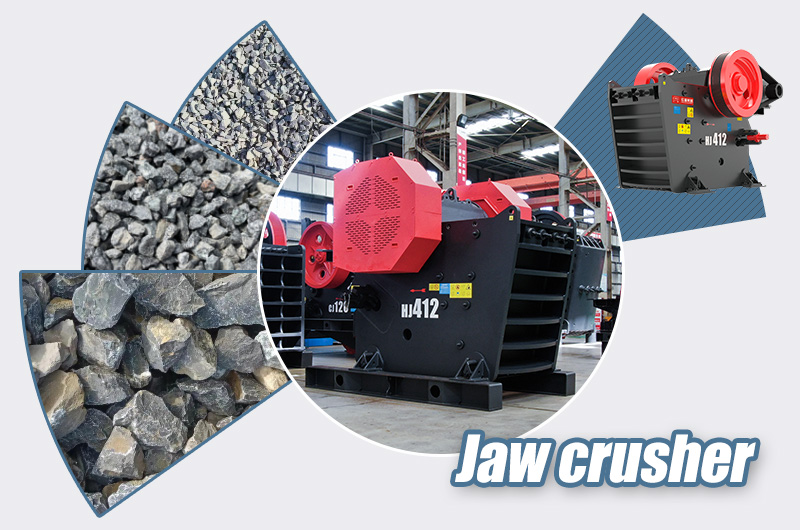
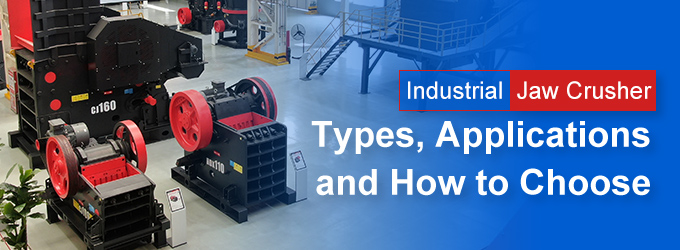
FTM option: FTM jaw crushers cover a wide range of applications, from small and medium-sized crushing plants to large quarry operations. Depending on the model, capacity ranges from around 5 to 1,200 t/h, with feed sizes up to 1,200 mm.
Different jaw plate options and discharge settings are available to match the material and required product size.
One thing to keep in mind: jaw crushers are mainly for size reduction, not final particle shaping. If you need well-shaped aggregate, a secondary or tertiary crusher may still be needed.
2. Gyratory crusher: For very large crushing plants
If your mine handles thousands of tons of material per hour, has a very large feed size, and runs for long periods, a gyratory crusher may make more sense than a smaller primary crusher.
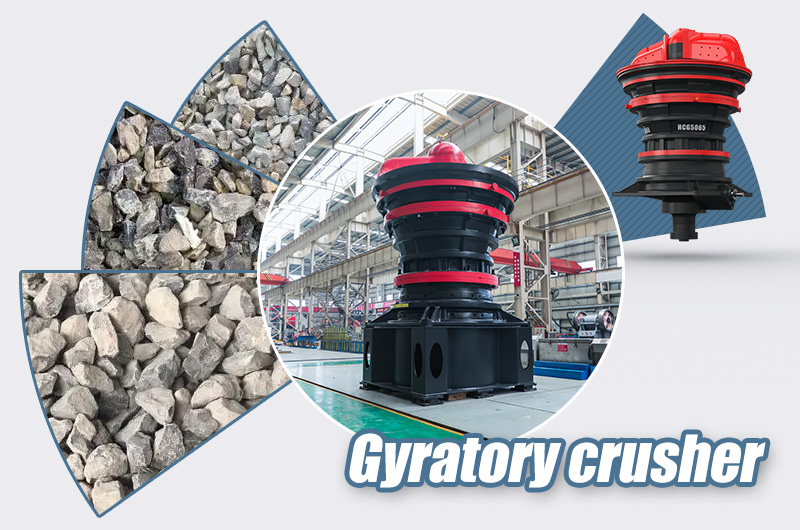
FTM HCG Series gyratory crushers handle feed sizes up to 1,300 mm, while the full series can reach capacities of up to 14,082 t/h. They are designed for medium- to high-hardness materials such as granite, basalt and metal ores.
Jaw crusher or gyratory crusher?
- For a smaller or medium-sized quarry, a jaw crusher is often easier to fit into the plant.
- For a very large mine where primary capacity is a major concern, a gyratory crusher becomes more attractive.
3. Cone crusher: For hard rock and secondary crushing
Choose a cone crusher when you need: Hard-rock crushing + smaller product sizes + good particle shape.
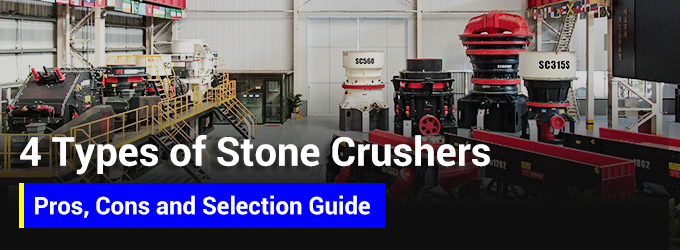
Cone crushers are suitable for hard and abrasive materials such as granite, basalt, river pebble, quartz, iron ore and many other medium- to hard materials. A cone crusher is especially useful when your plant needs several aggregate sizes rather than just a coarse crushed product.
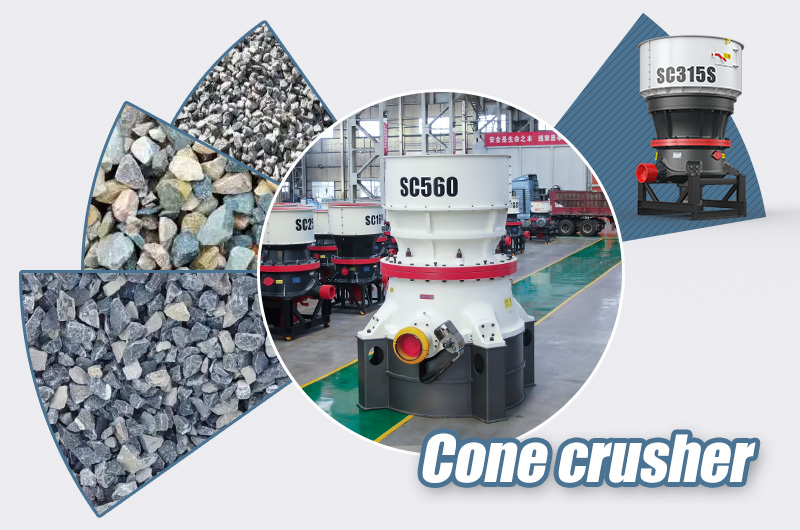
FTM cone crushers: The range reaches up to 2,181 t/h, with different crushing cavities for different product sizes. Hydraulic protection, automatic adjustment and top access for maintenance help simplify operation and reduce downtime.
One limitation: Cone crushers are not a good choice for soft, wet or sticky materials such as clay. Such feed can block the crushing chamber and reduce efficiency.
4. Impact crusher: When reduction and shape matter
An impact crusher becomes attractive when simply making the rock smaller is not enough—you also care about the shape of the final product.
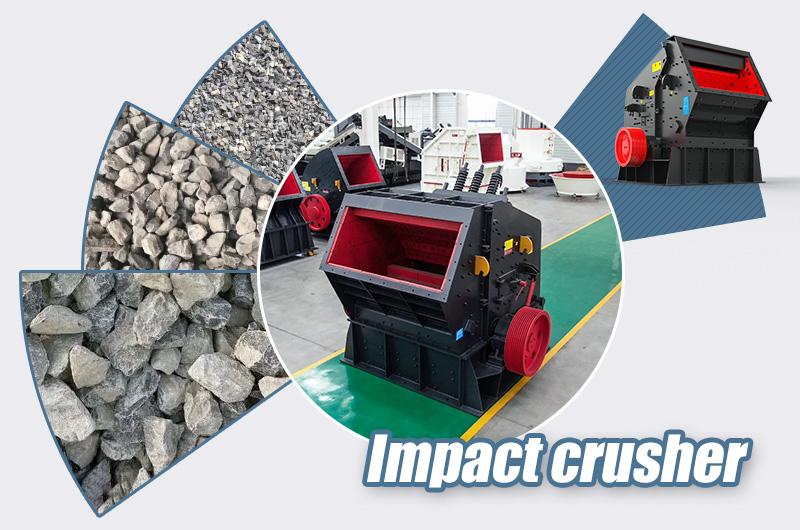
Impact crushers are commonly used for limestone, dolomite, concrete and other soft to medium-hard materials. They can achieve high reduction while producing a more cubic product.
FTM offers several impact crusher series, with listed models covering capacities from 30 to 2,000 t/h. Heavy blow bars, hydraulic adjustment and overload protection are used to handle demanding crushing conditions and simplify maintenance.
Impact crusher or cone crusher?
- Hard and highly abrasive rock? Cone crushing is usually more suitable.
- Softer material, high reduction and good particle shape? An impact crusher may make more sense.
5. Hammer crusher: When one crushing stage may be enough
The main attraction of a hammer crusher is simple: it can achieve a large reduction in one crushing stage.
For relatively soft and brittle materials such as limestone, gypsum, coal and glass, this can simplify the crushing process and reduce the need for multiple stages.
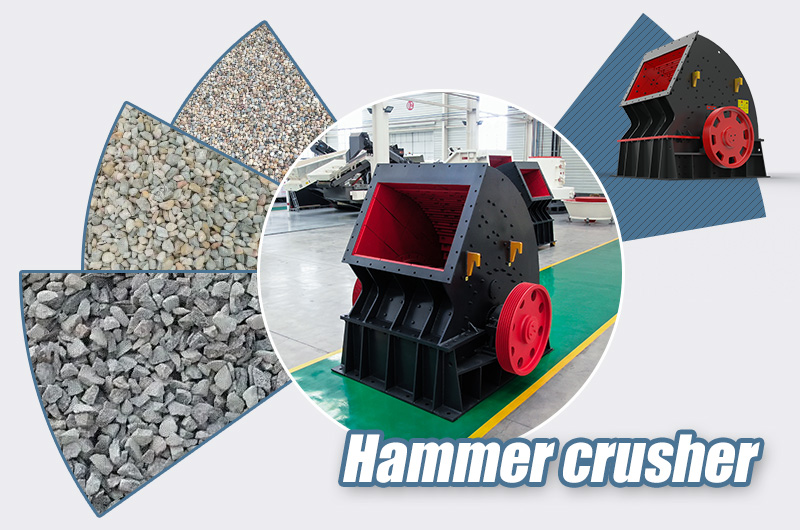
FTM PCZ series hammer crushers handle feed up to 1,000 mm, with capacities ranging from 60 to 3,000 t/h. This makes them suitable for small and medium-sized plants as well as larger limestone crushing operations. Mobile versions are also available when the crushing site changes.
The trade-off is wear. If the feed contains a high amount of hard, abrasive rock, frequent hammer replacement can become a major operating cost.
6. Roll crusher: When you want fewer fines
A roll crusher is useful when you want to control the product size without excessive over-crushing. This makes roll crushers a common choice for coal, clay, limestone, cement clinker and other brittle or medium-hard materials.
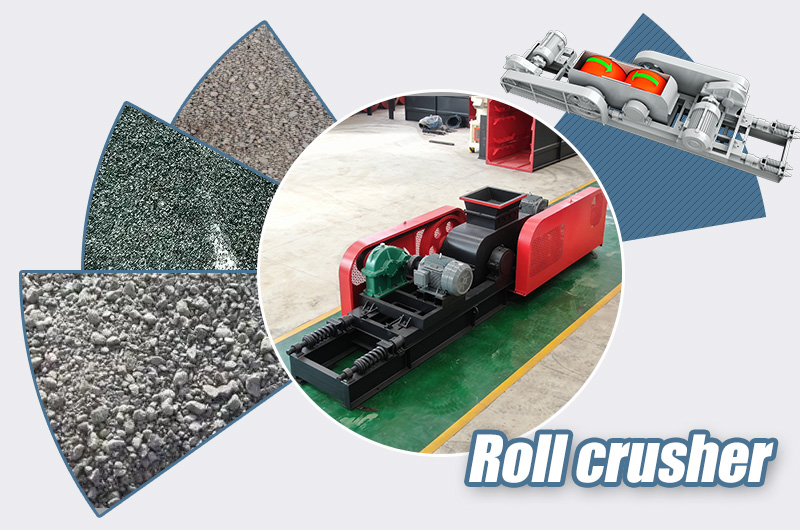
Their wear-resistant roller surfaces and spring or hydraulic protection help handle demanding working conditions.
In some applications, FTM roll crushers can reduce over-crushing and fine powder by about 15%–20%. The listed double-roll models have capacities up to 110 t/h.
For wet and sticky materials, FTM also offers toothed roll crushers. The teeth help grip and pull the material through, reducing the risk of clogging.
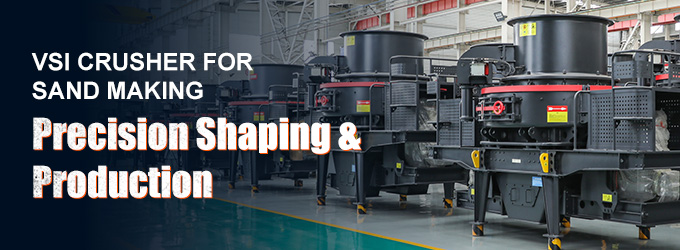
7. VSI crusher: When the goal is manufactured sand
It comes into play when the rock has already been reduced to a suitable feed size and you need to make sand or improve the shape of the particles.
This is why VSI crushers are common in manufactured-sand and high-quality aggregate production.
Choose a VSI when:
- You need manufactured sand.
- You want to improve the shape of crushed aggregate.
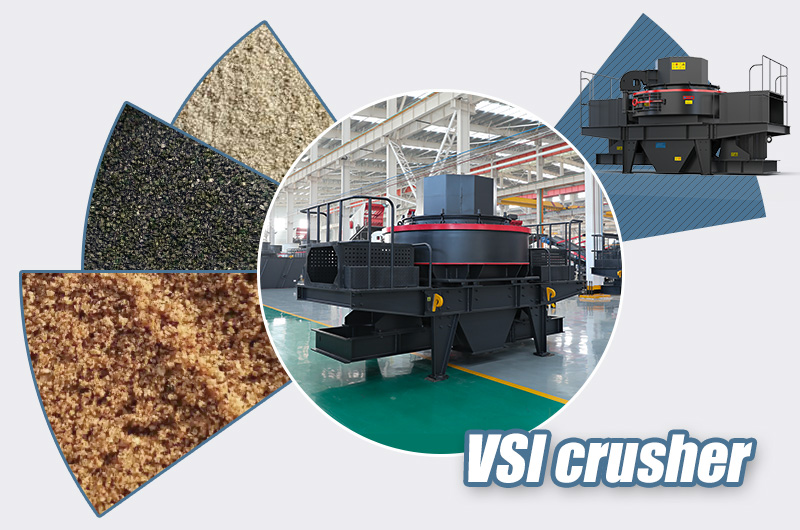
FTM VSI sand makers have capacities up to 650 t/h, depending on the model and feeding method. They accept hard materials below 45 mm and softer materials below 50 mm.
The thin-oil lubrication system can reduce power use by 10%–40% under the same capacity. Some wear plates can also be turned around after partial wear, helping reduce replacement costs.
Need a crusher for your project?
FTM Machinery provides jaw, gyratory, cone, impact, hammer, roll and VSI crushers, along with complete crushing and screening plants. With different models and capacities available, we can cover projects from small and medium-sized plants to large-scale operations.
Get a Free Recommendation Tell us your material, feed size, capacity and target product. We'll help you choose the right crusher or plant for your project.