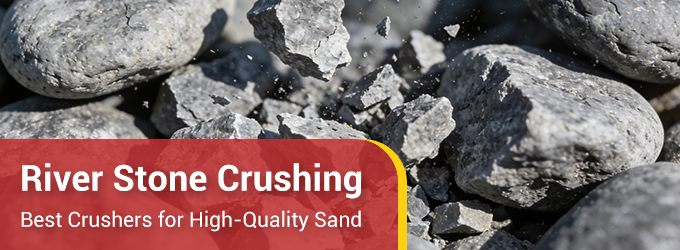
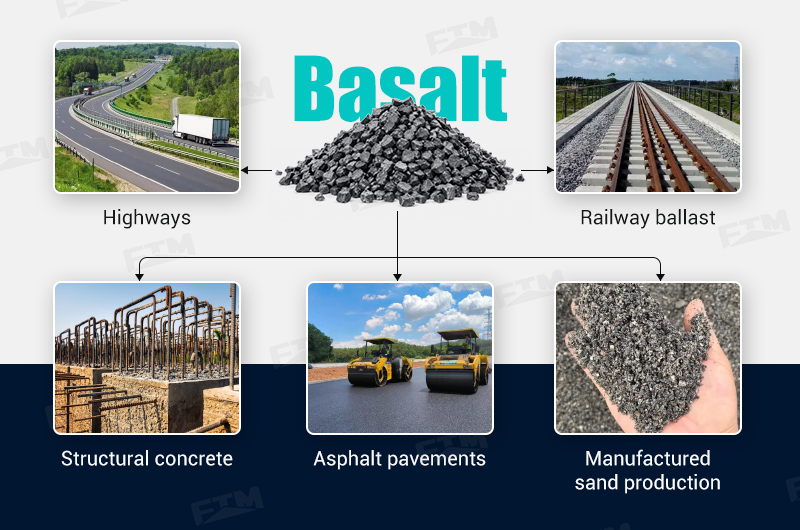
Basalt is one of the most widely used rocks in the aggregate industry. Thanks to its high strength, excellent wear resistance, and low water absorption, it is widely used for highways, railway ballast, structural concrete, asphalt pavements, and manufactured sand production.
Whether you are planning a new quarry or upgrading an existing plant, these seven facts will help you better understand basalt processing and make more informed production decisions.
Fact 1: Basalt is built for heavy-duty construction
Basalt is an igneous rock formed by rapidly cooled lava. Its dense structure gives it excellent mechanical properties, making it one of the preferred materials for demanding infrastructure projects.
| Property | Typical value |
| Mohs hardness | 5–7 |
| Density | 2.8–3.1 g/cm³ |
| Water absorption | <1% |
| Compressive strength | 100–300 MPa |
These characteristics allow basalt aggregates to withstand heavy traffic, harsh weather, and repeated loading, making them ideal for highways, railway ballast, airport pavements, and structural concrete.
Fact 2: One basalt quarry can supply multiple markets
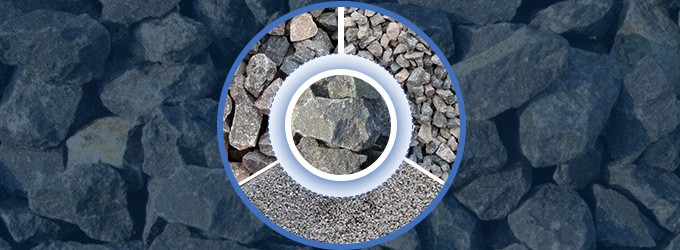
Basalt is not sold as a single product. After processing, it can be separated into different sizes for different applications.
| Product | Typical size | Main basalt uses |
| Coarse aggregate | 20–40 mm | Road construction |
| Concrete aggregate | 10–20 mm | Ready-mix concrete |
| Fine aggregate | 5–10 mm | Asphalt plants |
| Manufactured sand | 0–5 mm | Building construction |
| Stone powder | <0.075 mm | Cement and fille |
It is particularly popular in regions with active volcanic geology, including China, India, Turkey, Indonesia, Vietnam, Russia, Brazil, and parts of Africa.
Fact 3: Basalt processing is more than just crushing
Efficient processing is a complete workflow rather than a single operation.
Typical process: Raw basalt → Primary reduction → Secondary reduction → Screening → Sand production (optional) → Washing (optional) → Finished products
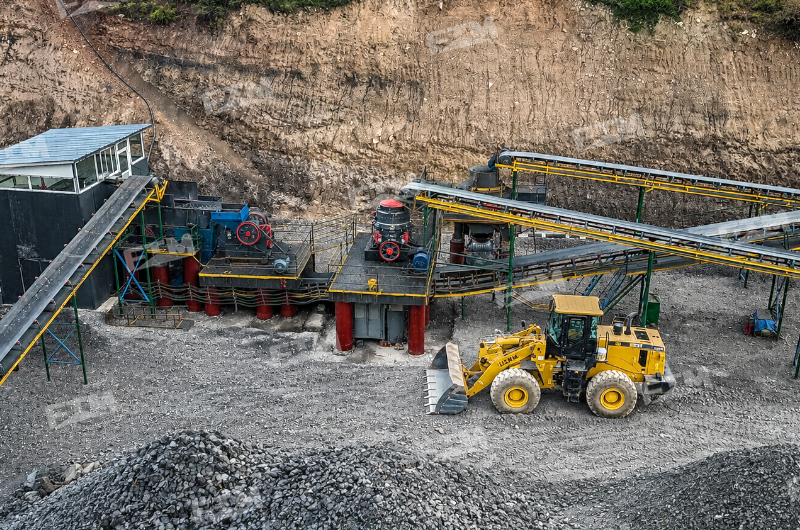
Size reduction prepares the material, screening separates commercial products, and washing improves cleanliness when required.
Basalt crushing process
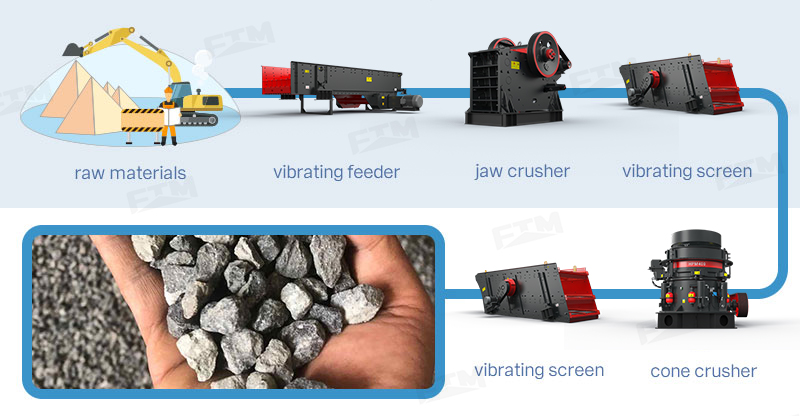
- 1Primary reduction (Jaw Crusher): Large raw basalt ore is evenly fed into a heavy-duty jaw crusher. This stage relies on high-force compression to reduce massive boulders down to a manageable size (typically 200–300 mm), preparing the feed for secondary stages.
- 2Secondary crushing (Hydraulic Cone Crusher): Medium-sized basalt materials are transferred to hydraulic cone crushers. To combat basalt's intense abrasiveness, Choke Feeding is mandatory. Choke feeding creates an inter-particle crushing effect, allowing rock to crush rock instead of directly impacting the liners. This reduces liner wear and extends mantle service life.
- 3Screening & recirculation: Heavy-duty vibrating screens separate commercial-grade aggregates. Any oversized material is automatically returned to the cone crusher loop to ensure zero product waste.
Unsure how to balance your reduction ratios to eliminate excessive liner wear?
Our application engineers have successfully deployed over 100 hard-rock crushing plants worldwide. Request a free 3D process flow layout tailored to your production requirements. Get My Free Process Flow Design
Fact 4: Basalt is the perfect feedstock for premium manufactured sand
Processing hard basalt into high-quality sand requires dedicated fine-crushing technology:
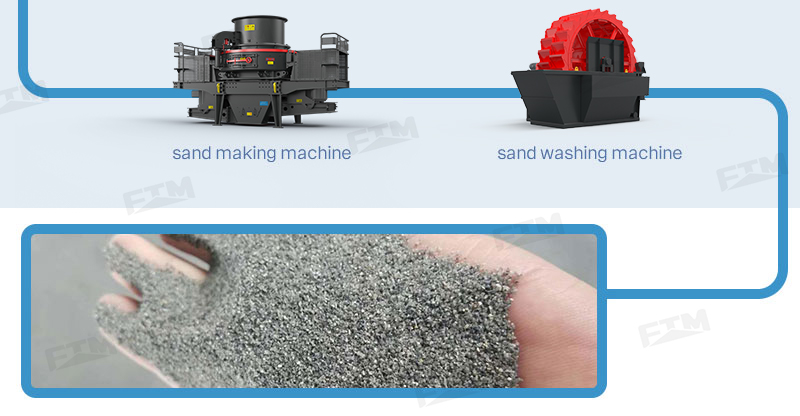
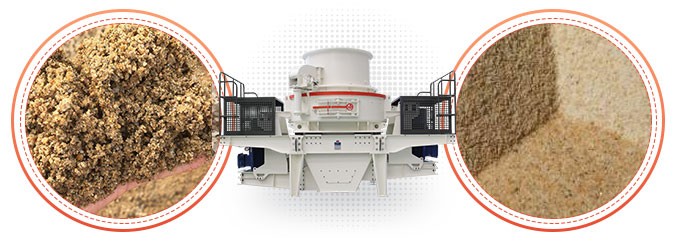
- 1VSI cubical shaping: In the final stage, a VSI shapes the crushed basalt into cubical particles, improving aggregate quality and increasing its value for concrete and asphalt applications.
- 2Sand washing: If the basalt contains excessive impurities or high-quality sand is required, a sand washer is used to remove fines and impurities.
See our guide to choosing the right basalt crusher and sand maker for efficient basalt processing. How to Choose the Right Basalt Crusher and Basalt Sand Maker
Fact 5: Plant design depends on your production goals
A plant designed for road aggregates may be very different from one focused on manufactured sand or commercial concrete aggregates.
| Plant size | Capacity | Best for |
| Small | 30–80 TPH | Local quarries, small road projects |
| Medium | 100–300 TPH | Commercial aggregate production and ready-mix concrete suppliers |
| Largee | 300–800 TPH | Large quarries, infrastructure projects, and long-term mining operations |
Fact 6: Life-cycle costs (LCC) control your plant's profitability
The purchase price is only one part of the investment. Long-term operating costs have a much greater impact on profitability.
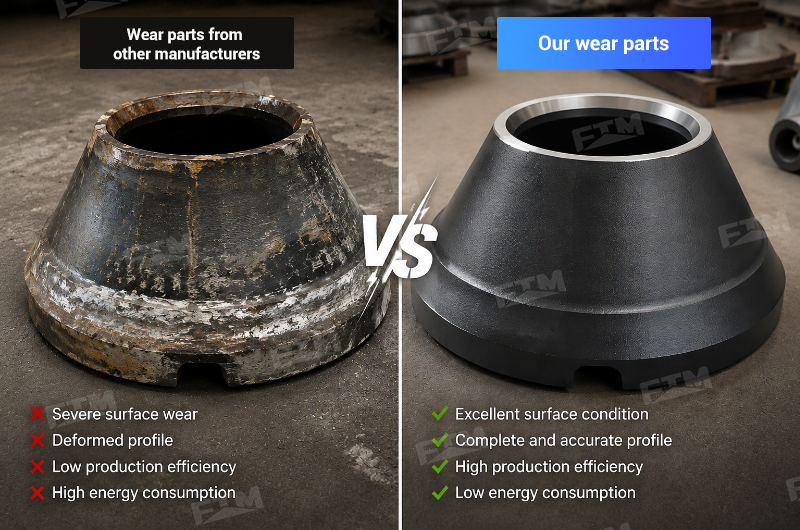
- Wear parts & lcc: Saving 10% on equipment means little if poor-quality liners cause five extra days of downtime every year.
- Choke feeding: A full crushing chamber improves inter-particle crushing, resulting in better particle shape and more even liner wear.
- Closed-circuit recirculation: Returning oversized material to the crushing stage increases finished-product yield and helps maintain consistent gradation.
The most profitable plant is not always the cheapest to buy—it's the one that delivers the lowest life-cycle cost and the highest return over time.
Fact 7: Basalt aggregate commands a higher market premium
Compared with granite and limestone, basalt bonds more effectively with asphalt binders. It also maintains a rough surface texture and resists polishing under heavy traffic. This helps improve skid resistance and extends pavement life.
Because of these properties, basalt is widely used in highways, airport runways, and other high-traffic roads. In many markets, basalt aggregate sells at a 20%–50% higher price than river gravel or limestone.
Producing well-shaped, high-quality basalt aggregate helps suppliers meet project specifications and capture this higher-value market.
Turn hard rock into high returns
Basalt is tough on equipment—but with the right process design, it can become one of the most profitable materials in your quarry.
Talk to our experts today and get a free process flow layout for your project.