Do you want to efficiently extract gold from ore and overcome the challenges of gold extraction from low-grade gold mines?
You can choose the gold CIP (carbon-in-pulp) process. Professional gold CIP processing plants have fully automated gold extraction processes, which can achieve large-scale, efficient gold production while meeting environmental protection requirements.
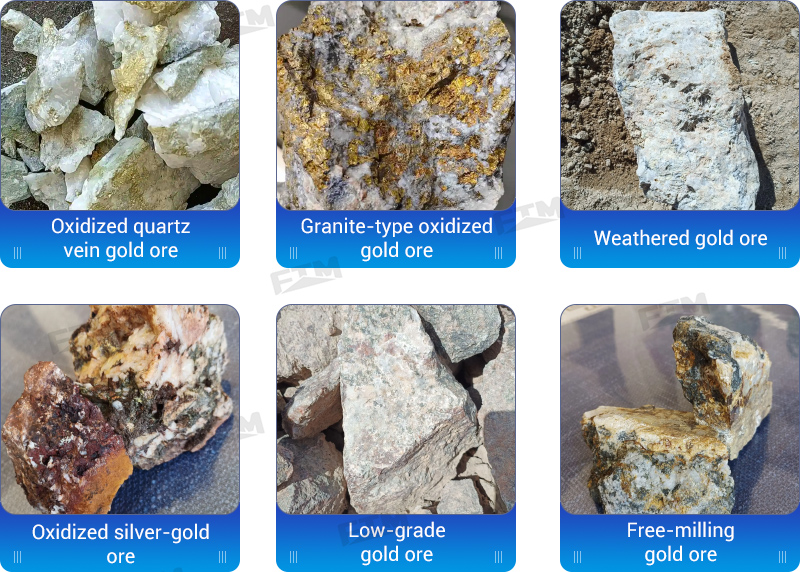
It can specifically process oxidized quartz vein gold ore, granite-type oxidized gold ore, weathered gold ore, partially oxidized silver-gold ore, low-grade gold ore, and free-milling gold ore.
Custom gold CIP processing plant by FTM Machinery
The gold CIP processing plant uses the carbon-in-pulp gold extraction process, which combines whole-slime cyanide leaching with activated carbon adsorption.
The workflow goes as follows: cyanide dissolves gold into the slurry, activated carbon adsorbs the gold from the slurry, and finally desorption and electrowinning get gold ingots.
The main advantages of the gold CIP process plant are:
- High gold recovery rate: The recovery rate can generally reach 90%–95%+.
- Low cost: No need for expensive filtration or pressure filtration, saving 30%–50% on investment and reducing costs by 8%–35%.
- Large processing capacity: Its high automation level makes it suitable for large, medium and small mine production lines.
- Safe and eco-compliant: Equipped with cyanide destruction system to ensure tailings discharge meets environmental standards.
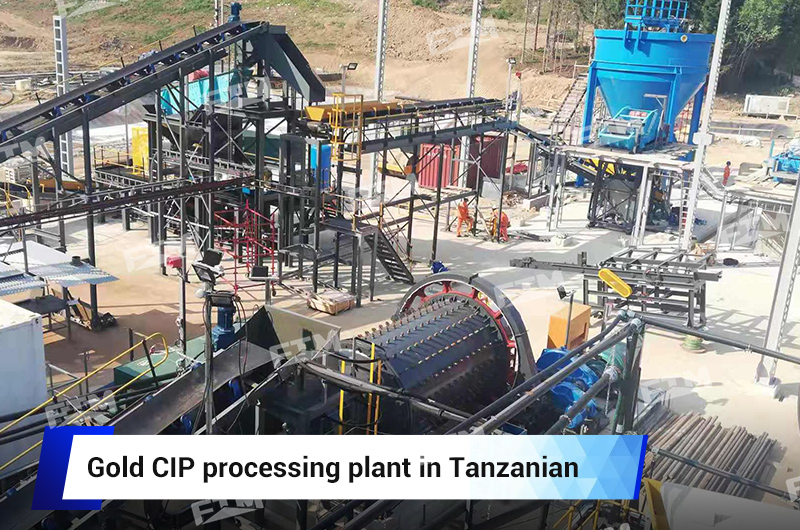
A custom in Tanzania processing raw oxidized gold ore utilized our company's complete set of gold CIP equipment, which eliminated the need for costly solid-liquid separation steps and achieved overall gold recovery rate of 92.5%.
Compared with other mineral processing equipment, our solution reduced total equipment investment by 40% and cut operating and maintenance costs by 25%, while also incorporating a low-pressure, rapid desorption and eletrowinning system for gold-loaded carbon. Configure your gold CIP plant and get a quote list
Step-by-step operation of gold CIP processing plant
The entire production line of a gold CIP plant consists of multiple continuous processes, from ore feeding to the production of gold ingots. These processes operate in a seamless manner, and the specific workflow is as follows:
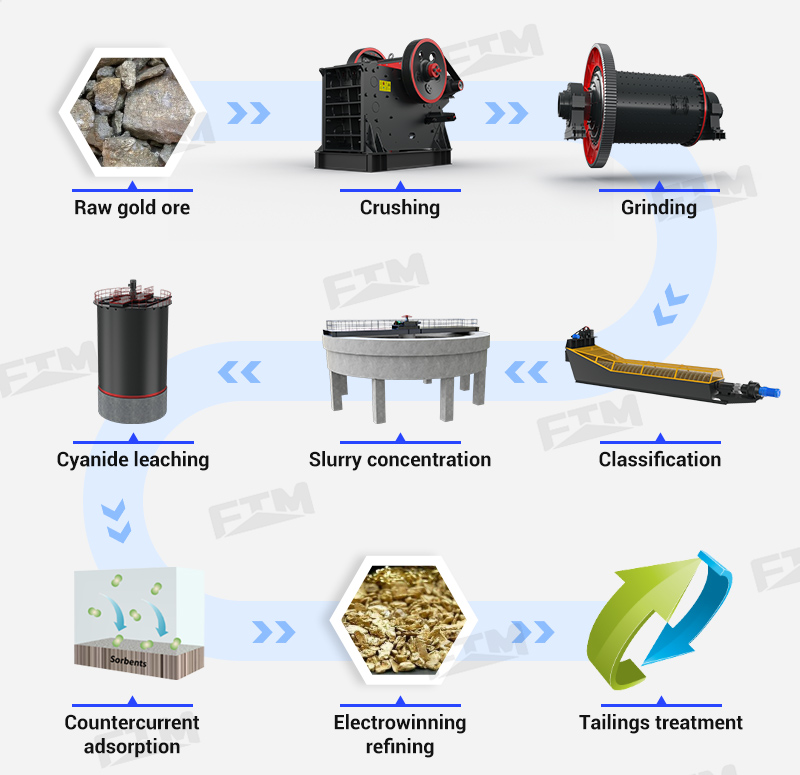
Step 1: Crushing
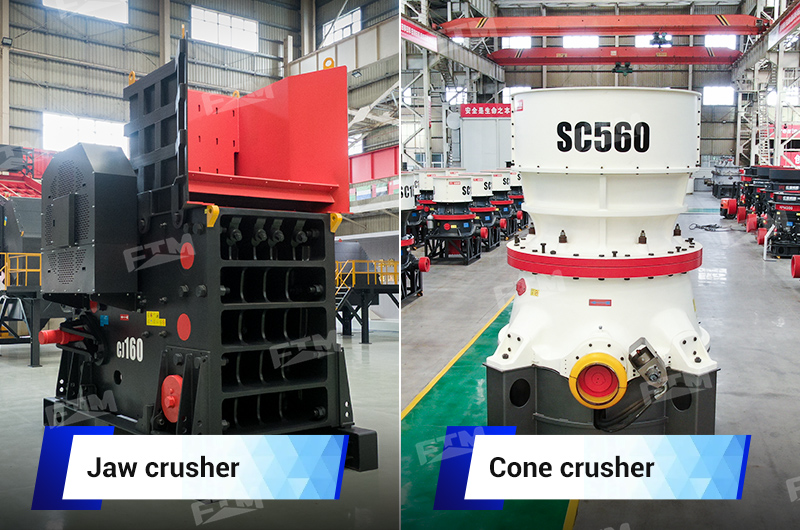
Jaw crushers perform primary crushing of raw gold ore, breaking large gold ore lumps into smaller pieces.
Cone crushers perform secondary or tertiary crushing of small pieces of gold to produce fine and uniform materials. Vibrating screens screen small gold ore materials for subsequent grinding.
Step 2: Grinding and classification
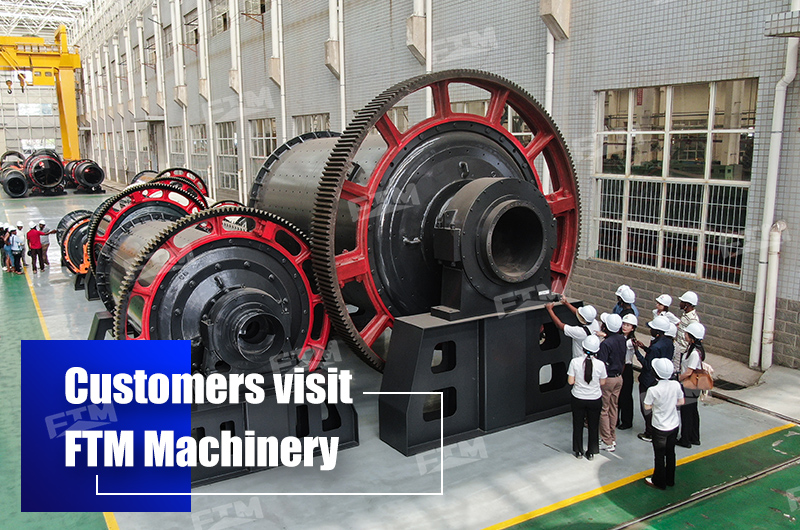
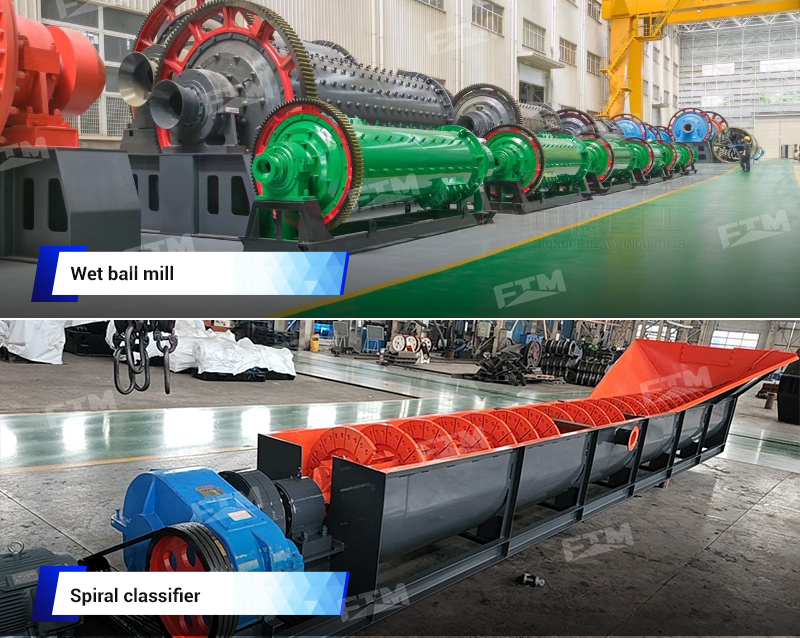
Wet ball mills grind small pieces of gold ore to produce fine slurry. The spiral classifier then classifies the milled gold particles and sends oversize particles back to the ball mill for re-grinding.
The final grinding fineness is usually controlled at around 200 mesh (0.074 mm), accounting for about 80%.
Step 3 : Slurry concentration
After grinding and classification, the diluted slurry is first pre-screened through the vibrating screen or high frequency screen to remove sawdust, plastic, debris and coarse sand, avoiding pipe blockage.
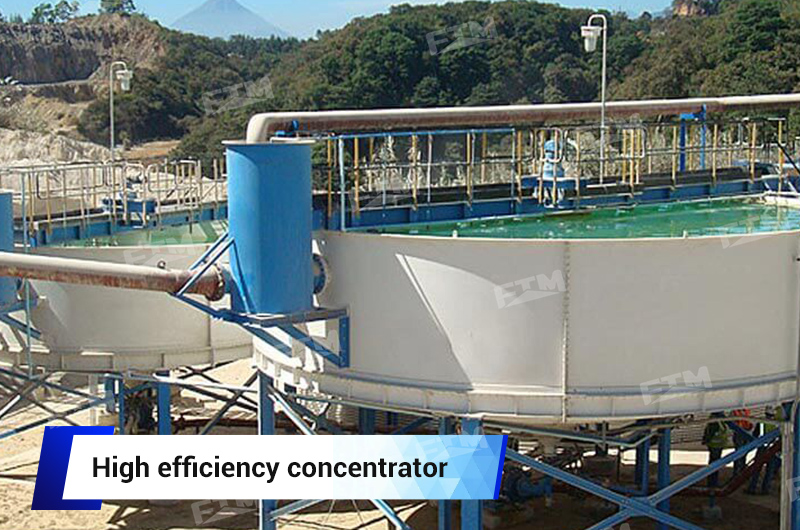
The slurry then enters a high efficiency concentrator, where flocculants are added to make fine solid particles settle out via gravity.
The slurry is separated into recyclable overflow (clear upper water) and thickened underflow. The rake arm collects the thickened underflow, which is pumped to the leaching tank.
Step 4: Cyanide leaching
After the slurry is fed into the leaching tank, lime is added first to adjust the pH value of the slurry to 10–11, and then the sodium cyanide solution with a concentration usually controlled at 0.03%–0.1% is added to stabilize the cyanide and promote the dissolution of gold.
Continuous agitation and air aeration blend slurry, lime and sodium cyanide thoroughly. Under alkaline conditions, gold dissolves in cyanide to form gold-cyanide complexes for subsequent carbon adsorption.
Prolonged agitation and aeration maximize the leaching of gold from ore into the slurry.
Step 5: Countercurrent adsorption
After leaching, the slurry containing the gold-cyanide complex is sent to a bank of adsorption banks, where activated carbon is fed countercurrently.
The slurry flows from the first tank to the last, while fresh activated carbon is added at the last tank and transferred to the first tank.
Continuous agitation inside the tanks creates sufficient contact between activated carbon and slurry to adsorb gold. Interstage screens separate slurry from loaded carbon. The gold-carbon gradually accumulates in the first tank for regular removal.
Step 6: Electrowinning refining
The gold-loaded carbon first undergoes acid washing then enters the desorption system. Under high temperature and high pressure, gold is stripped from the carbon surface to generate high-grade pregnant solution.
The pregnant solution is then electrolyzed in the electrowinning cell. The precipitated gold mud is acid washed, dried, and then smelted into finished gold ingots. The desorbed activated carbon is reactivated in a regeneration furnace and reused in production.
Step 7: Tailings treatment
Cyanide contained in tailings is degraded by the sulfur dioxide-air oxidation process and other processes to complete detoxification.
The detoxified slurry is thickened and filter-pressed for dewatering, and the filtrate is recycled back to the processing plant for reuse. Dewatered tailings are conveyed to tailings ponds for storage or backfilled into underground goafs with strict anti-seepage control.
FTM Machinery's core advantages for gold CIP plant
Our team has professional engineers with rich experience in custom designing gold CIP processing plants, and FTM Machinery offers:
- Modular design: Modular components for easy on-site assembly.
- High cost performance: Direct factory supply, 30%–50% cheaper than competitors with identical configurations, ideal for budget-limited projects.
- Wide project adaptability: Standard mature models are suitable for low-grade oxide ores and feature a simple operation workflow.
- Automatic control: Equipped with a standard PLC system for real-time data monitoring, minimizing manual operation.
We will maximize your project profits. Contact us anytime for high-efficiency gold extraction.